Bezpečná a spolehlivá AtlasOra peněženka
Převezměte kontrolu nad svými AtlasOra aktivy s úplnou důvěrou v ekosystém Trezor.
- Zabezpečeno vaší hardwarovou peněženkou
- Možnost využít s kompatibilními online peněženkami
- Důvěra od více než 2 milionů zákazníků
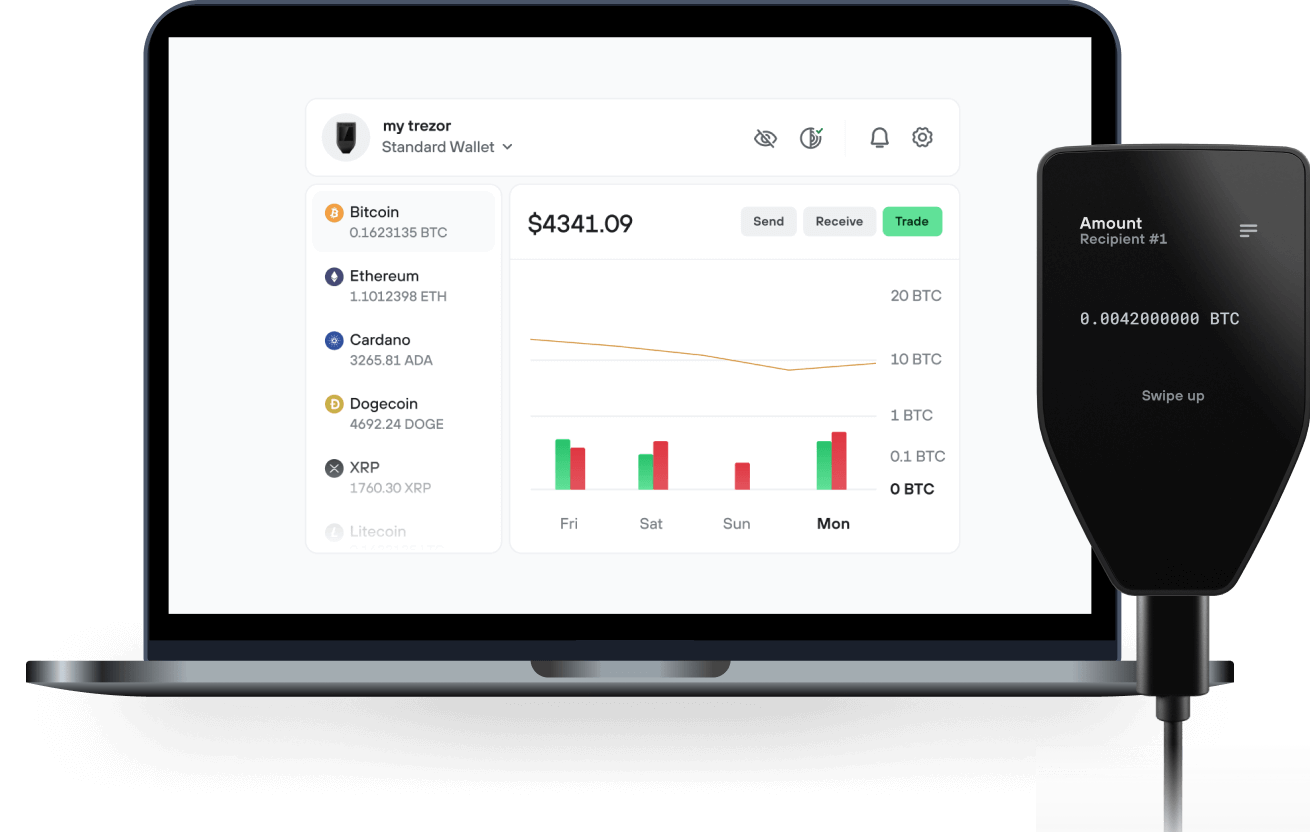
Odesílejte a přijímejte AtlasOra s aplikací Trezor Suite

Odesílání a přijímání
Hardwarové peněženky Trezor podporující AtlasOra
Aplikace peněženek, které lze synchronizovat s vaším Trezorem
Spravujte AtlasOra pomocí hardwarové peněženky Trezor synchronizované s několika aplikacemi peněženek.
Trezor Suite
MetaMask
Rabby
Podporovaná síť
Proč hardwarovou peněženku?

Přejděte do offline režimu s peněženkou Trezor
- Vlastníte 100 % vašeho krypta
- Vaše peněženka je 100 % bezpečně offline
- Vaše data jsou 100 % anonymní
- Vaše krypto není vázáno na žádnou společnost
Online burzy
- Pokud burza zkrachuje, přijdete o všechno své krypto
- Burzy jsou cílem útočníků
- Vaše osobní údaje mohou být zneužity
- Své kryptoměny nevlastníte plně
Jak na AORA s peněženkou Trezor
Připojte svůj Trezor
Otevřete aplikaci peněženky třetí strany
Spravujte svá aktiva
Využijte AORA naplno
Trezor bezpečně uchovává vaše AORA aktiva
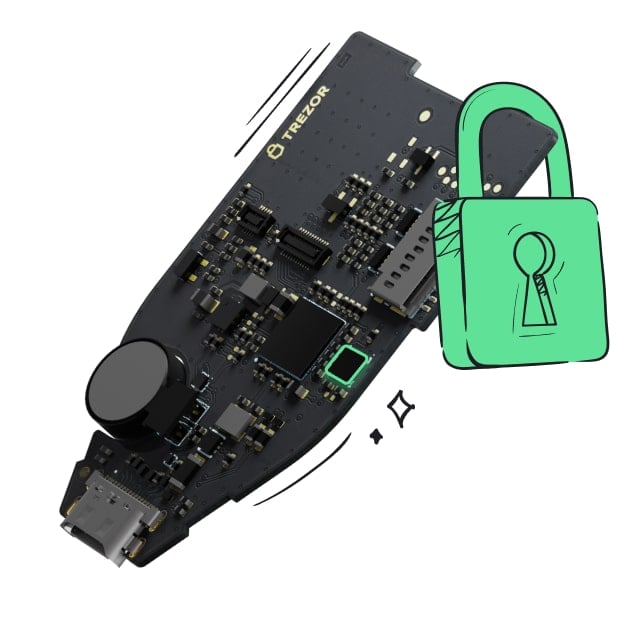 Chráněno pomocí Bezpečnostního prvku
Nejlepší ochrana před online i offline hrozbami
 Vaše krypto, vaše kontrola
Absolutní kontrola každé transakce s potvrzením na zařízení
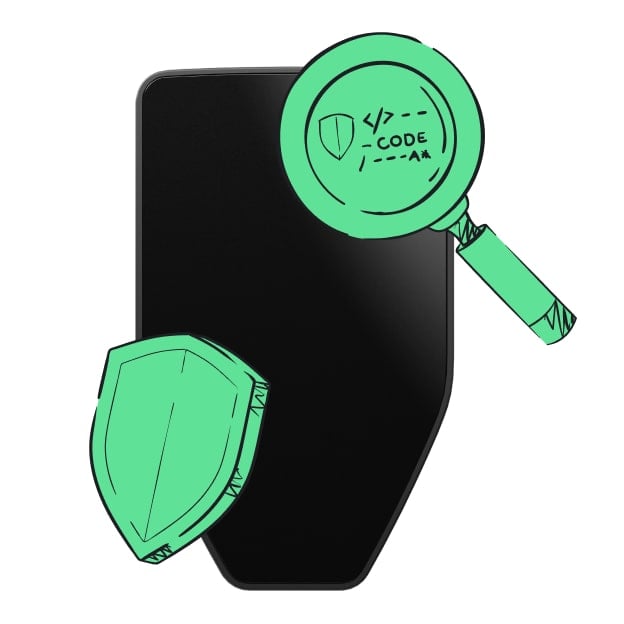 Zabezpečení začíná u otevřeného zdroje
Díky transparentnímu designu je vaše peněženka Trezor lepší a bezpečnější
 Jasná a jednoduchá záloha peněženky
Obnovení přístupu k digitálním aktivům pomocí nového standardu zálohování
 Jistota od prvního dne
Bezpečnostní samolepky na obalech a zařízeních zajišťují neporušenost vašeho zařízení Trezor
AO Protocol positions itself as the settlement and financial coordination layer for commerce where payment precedes delivery. It focuses on a specific and under-addressed category: booking float — the working capital held between customer payment and supplier fulfilment.
While prior onchain primitives have tokenised government debt (e.g. T-bills) and private credit, AO Protocol targets escrowed transactional capital that has historically remained offchain. This segment spans trillions of dollars globally across industries such as travel, rentals, marketplaces, and trade finance.
The emergence of this category is driven by recent infrastructure maturity: scalable stablecoin settlement, consumer-accessible L2 environments such as Base, and evolving regulatory clarity in key jurisdictions (e.g. MiCA treatment of fiat-backed stablecoins). These conditions enable new financial architectures that were previously impractical to deploy.
Protocol Design AO Protocol operates as a contract-layer system with four core functions, accessible through a unified integration point:
Settlement: Each transaction is processed through individually scoped smart contract wallets with isolated state. Funds are not pooled; each booking settles independently onchain. This architecture is designed to reduce counterparty risk and simplify operational segregation of funds.
Yield: Stablecoin balances held during the booking lifecycle can be deployed into onchain lending markets (e.g. Aave) to generate yield. This introduces an additional economic layer to escrowed funds, which is typically inaccessible in traditional pooled marketplace models.
Supplier Advance: Suppliers may access liquidity against confirmed future receivables. Advances are programmatically structured and collateralised by booking flows rather than traditional credit underwriting, enabling alternative financing pathways.
Dispute Resolution: Disputes are handled through the Independent Juror Program (IJP), where participants stake $AORA to be eligible for selection. Juror participation is incentivised through a Proof of Attention framework designed to reward engagement quality rather than decision outcomes.
Flagship Deployment: AtlasOra AtlasOra serves as the initial implementation of AO Protocol, focused on the short-term rental (STR) market. This sector was selected due to its clear escrow dynamics, where funds are typically held for extended periods between booking and stay completion.
The platform launches on Base, targeting Spain as its initial market. STR represents a large and well-defined entry point, with significant booking float and established user behaviour.
Pre-launch indicators include:
400+ hosts onboarded
2,000+ user signups
Property management system integrations (e.g. Calry)
Completed smart contract audit (Hacken)
Operational metrics are intended to be publicly available to support transparency from launch.
Market Expansion The protocol design is applicable to multiple verticals where delayed settlement creates embedded working capital. Target sectors include:
Vacation rentals
Long-term property rentals
Freelance marketplaces
Trade finance
E-commerce and marketplace settlement
These segments collectively represent a large addressable market, with expansion planned through third-party integrations and licensing.
Structure AO Protocol operates through a multi-entity structure separating protocol governance, intellectual property, and commercial operations:
AtlasOra Foundation: Holds protocol IP, token contracts, and governance responsibilities
MasaOra Ltd (UK): Operates the primary marketplace
MasaOra OÜ (Estonia): Supports operational functions
Intercompany relationships are governed through formal agreements, with transfer pricing and regulatory positioning subject to ongoing legal review.
Token Utility $AORA is designed as a utility token within the protocol ecosystem, with a fixed supply of 200 million. Its primary functions include:
Participation in dispute resolution (staking)
Access and fee optimisation mechanisms
Collateral for reputation and trust systems
Integration into future protocol-level settlement and licensing flows
Token mechanics include both lock-up and burn-based participation features, depending on use case.
Governance The protocol implements a multi-layer governance structure:
Foundation oversight for legal and fiduciary responsibilities
Council-based decision-making for treasury and strategic actions
Tokenholder participation in parameter governance via DAO mechanisms
Decentralised governance is introduced progressively post-launch.
Team The project is led by a fully disclosed team with experience across fintech, travel, and blockchain infrastructure. Backgrounds include prior roles in large-scale marketplaces, DeFi protocol development, and financial operations.
Advisors contribute expertise in protocol architecture, legal structuring, and market analysis.
Current Status As of Q1 2026, AO Protocol is in pre-launch phase. Smart contract auditing has been completed, with token deployment and marketplace launch scheduled in conjunction with Base ecosystem infrastructure.