Sichere & geschützte Tezos Wallet
Nutze die Sicherheit deiner Trezor Hardware-Wallet zur sicheren Verwaltung deiner Tezos.
- Gesichert durch deine Hardware-Wallet
- Über 2 Millionen Kunden vertrauen uns
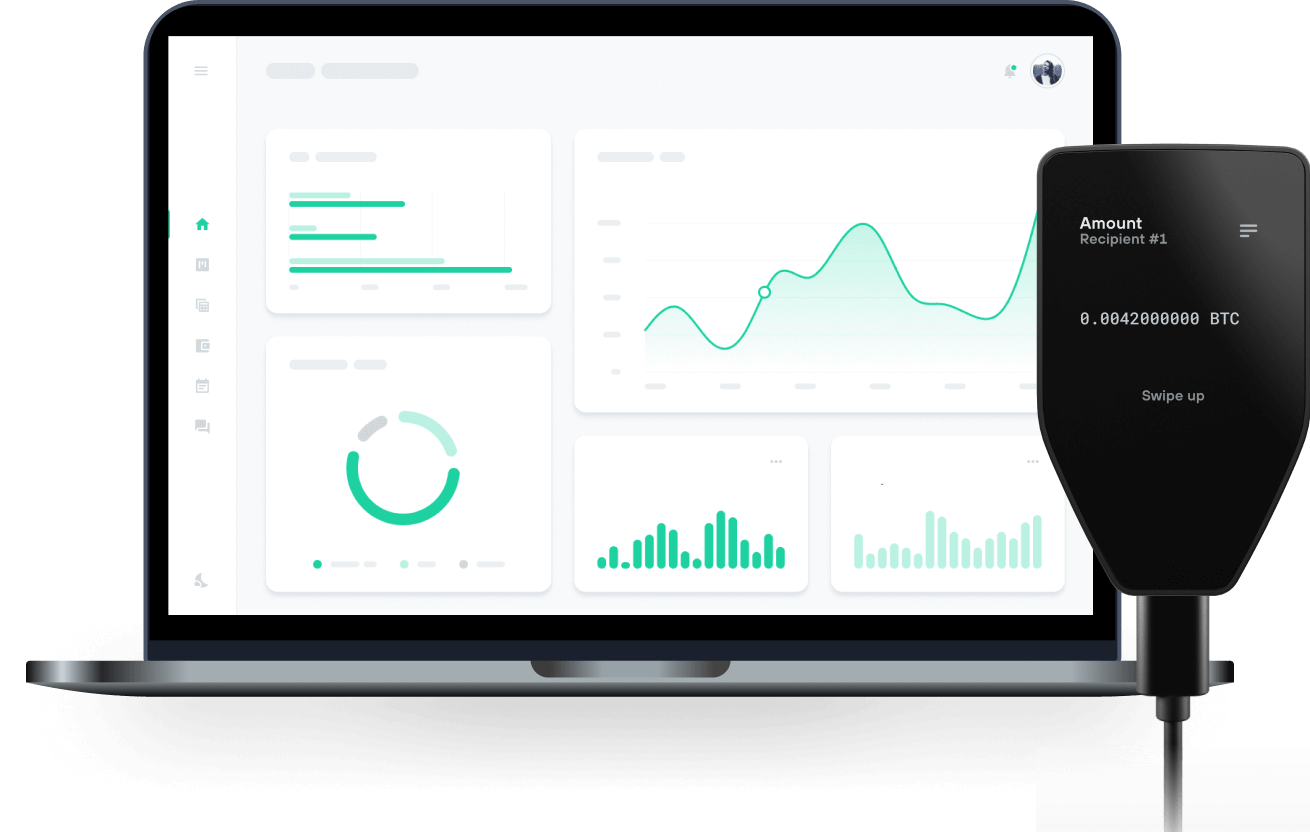
Kaufe, verkaufe & verwalte dein Tezos mit den Trezor Hardware-Wallets

Sende & empfange
Kaufe, verkaufe & tausche
Trezor Hardware-Wallet, die Tezos unterstützen
Synchronisiere Trezor mit Wallet-Apps
Verwalte deine Tezos mit deiner Trezor Hardware-Wallet, die mit mehreren Wallet-Apps synchronisiert ist.
Briskett
Unterstütztes Tezos Netzwerk
Warum eine Hardware-Wallet?

Gehe offline mit Trezor
- Du besitzt 100 % deiner Coins
- Deine Wallet ist offline zu 100 % sicher
- Deine Daten sind zu 100 % anonym
- Deine Coins sind an keine Firma gebunden
Online-Börsen
- Wenn ein Umtausch fehlschlägt, verlierst du deine Coins
- Börsen sind Ziele von Hackern
- Deine persönlichen Daten könnten offengelegt werden
- Du besitzt deine Coins nicht wirklich
Wie man XTZ auf Trezor
Verbinde deinen Trezor
Öffne eine Drittanbieter-Wallet-App
Verwalte dein Vermögen
Mache das Beste aus deinen XTZ
Trezor hält dein XTZ sicher
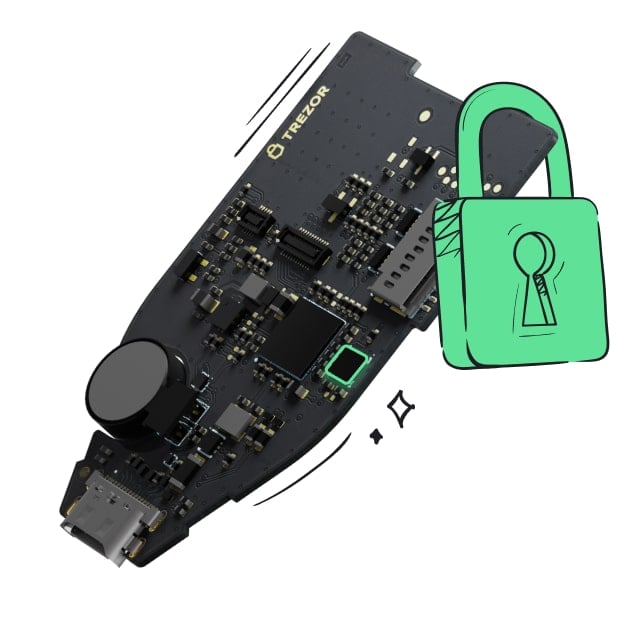 Geschützt durch Secure Element
Die beste Verteidigung gegen beides, online und offline Bedrohungen
 Deine Token, deine Kontrolle
Absolute Kontrolle über jede Transaktion mit Bestätigung auf dem Gerät
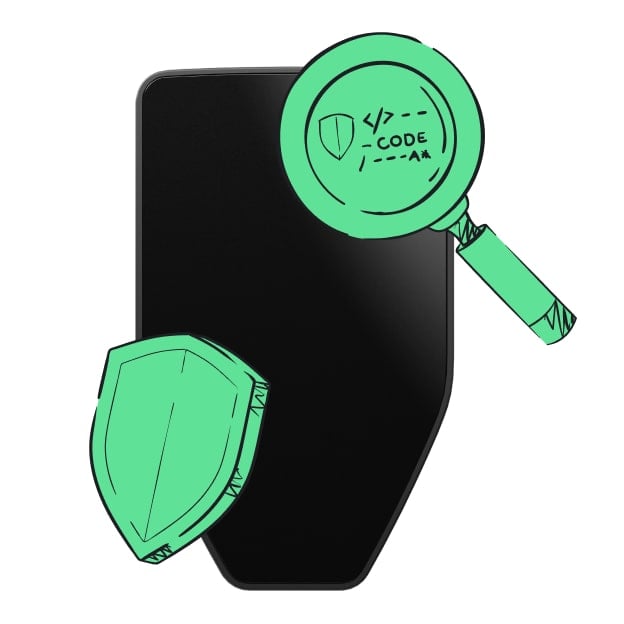 Sicherheit beginnt mit Open-Source
Das transparente Wallet-Design macht deinen Trezor besser und sicherer
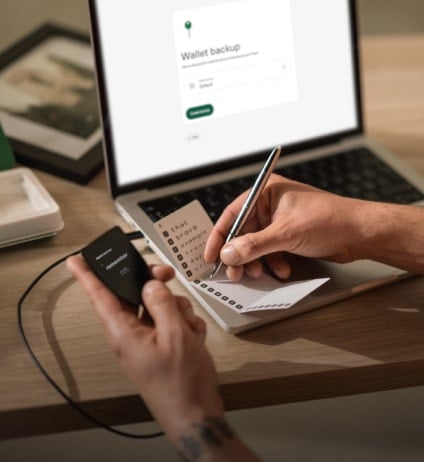 Übersichtliches & einfaches Wallet-Backup
Stelle deinen Zugriff auf deine digitalen Assets wieder her mit einem neuen Backup-Standard
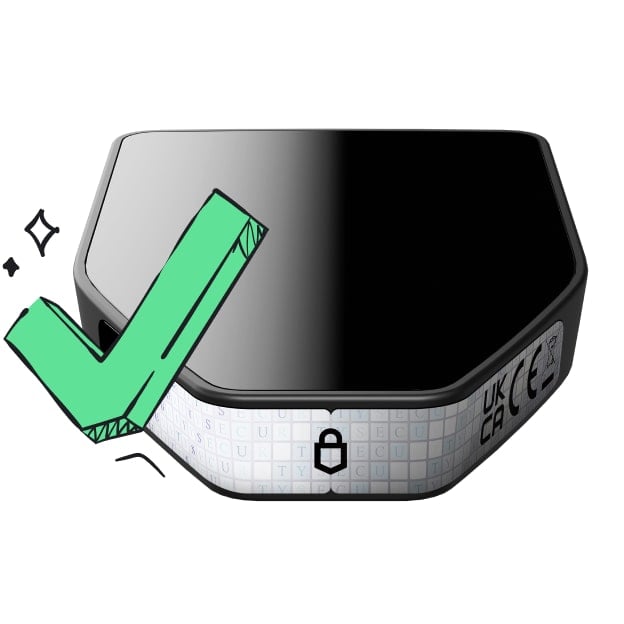 Vertrauen vom ersten Tag an
Verpackungs- & Gerätesicherheitssiegel schützen die Integrität deines Trezors
Was ist Tezos (XTZ)?
Tezos ist eine leistungsstarke Blockchain und Open-Source-Plattform für Assets und Anwendungen mit starkem Fokus auf Code-Sicherheit, On-Chain-Governance und Dezentralisierung. Tezos 2.0 – der nächste Entwicklungsschritt – zielt auf bessere Skalierbarkeit (per Layer-2s), bessere Kombinierbarkeit sowie die Unterstützung gängiger Programmiersprachen (wie Javascript, Typescript, Python und viele andere).
Von Anfang an auf formale Verifikation ausgelegt, ermöglicht das Tezos-Protokoll Entwicklern, Fehler bei der Entwicklung von Smart Contracts zu vermeiden, und eignet sich besonders gut für Anwendungen, die höchste Sicherheit und Verlässlichkeit benötigen.
Das LPoS- (Liquid Proof-of-Stake-) Konsensverfahren ermöglicht jedem Stakeholder, direkt oder per Delegation am Konsensprozess teilzunehmen und für die Sicherung des Netzwerks belohnt zu werden. Einzigartig ist das On-Chain-Governance-System von Tezos, das auch die Erstellung und Abstimmung über Protokoll-Upgrades ermöglicht. Dieses wegweisende System erlaubt dem Protokoll, sich selbst weiterzuentwickeln, ohne auf eine Abspaltung (Fork) hinauszulaufen – es stärkt die Community und bremst Innovationen nicht aus.
Erstmals 2014 angeregt und in 2018 eingeführt, läuft das Tezos Mainnet ununterbrochen und hat sich einen guten Ruf für technische Exzellenz und eine unterstützende Community erworben.
Wer sind die Gründer von Tezos? Tezos wurde von Arthur und Kathleen Breitman in einem Whitepaper aus dem Jahr 2014 unter dem Pseudonym L.M. Goodman konzipiert, in Anlehnung an Satoshi Nakamoto und in Bezug auf einen Journalisten, der den Schöpfer von Bitcoin falsch identifiziert hatte.
In einer früheren Abhandlung hatten die Breitmans argumentiert, dass die größten Schwächen von Bitcoin darin bestünden, dass es keinen Governance-Prozess gebe, der Beiträge der Nutzergemeinschaft einbeziehe, dass das Proof-of-Work-System Kosten- und Zentralisierungsprobleme mit sich bringe, dass die Programmier-Sprache nur begrenzt ausdrucksfähig sei und somit keine Smart Contracts zulasse, sowie in Sicherheitsproblemen.