Sichere & geschützte Stellar Wallet
Übernimm die Kontrolle über deine Stellar Assets mit vollem Vertrauen in das Trezor Ökosystem.
- Gesichert durch deine Hardware-Wallet
- Nutze ihn mit kompatiblen Hot-Wallets
- Über 2 Millionen Kunden vertrauen uns
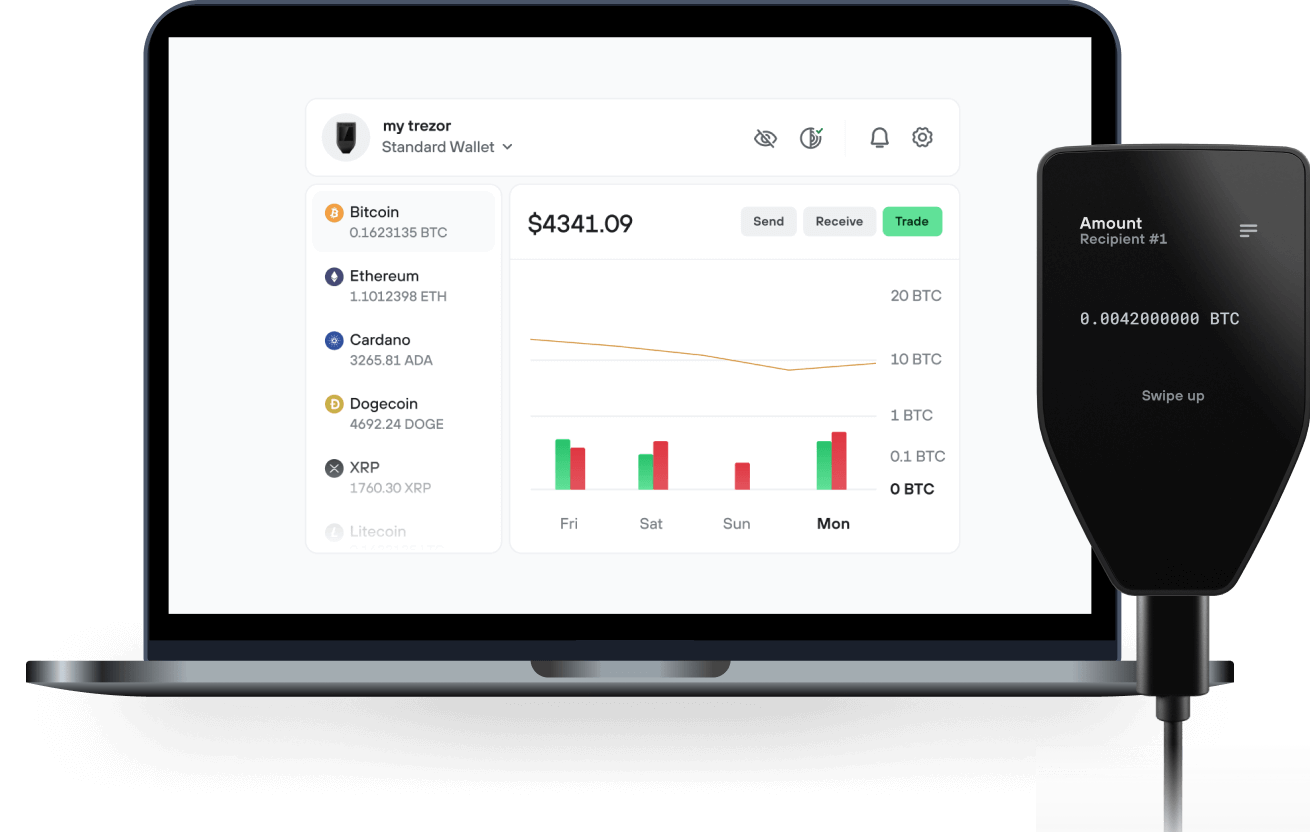
Kaufe, verkaufe & verwalte dein Stellar mit der Trezor Suite App

Sende & empfange

Kaufe, verkaufe & tausche
Trezor Hardware-Wallet, die Stellar unterstützen
Synchronisiere Trezor mit Wallet-Apps
Verwalte deine Stellar mit deiner Trezor Hardware-Wallet, die mit mehreren Wallet-Apps synchronisiert ist.
Trezor Suite
Exodus
Stellar Account Viewer
- StellarTerm
Unterstütztes Stellar Netzwerk
Warum eine Hardware-Wallet?

Gehe offline mit Trezor
- Du besitzt 100 % deiner Coins
- Deine Wallet ist offline zu 100 % sicher
- Deine Daten sind zu 100 % anonym
- Deine Coins sind an keine Firma gebunden
Online-Börsen
- Wenn ein Umtausch fehlschlägt, verlierst du deine Coins
- Börsen sind Ziele von Hackern
- Deine persönlichen Daten könnten offengelegt werden
- Du besitzt deine Coins nicht wirklich
Wie man XLM auf Trezor
Verbinde deinen Trezor
Installiere Trezor Suite App
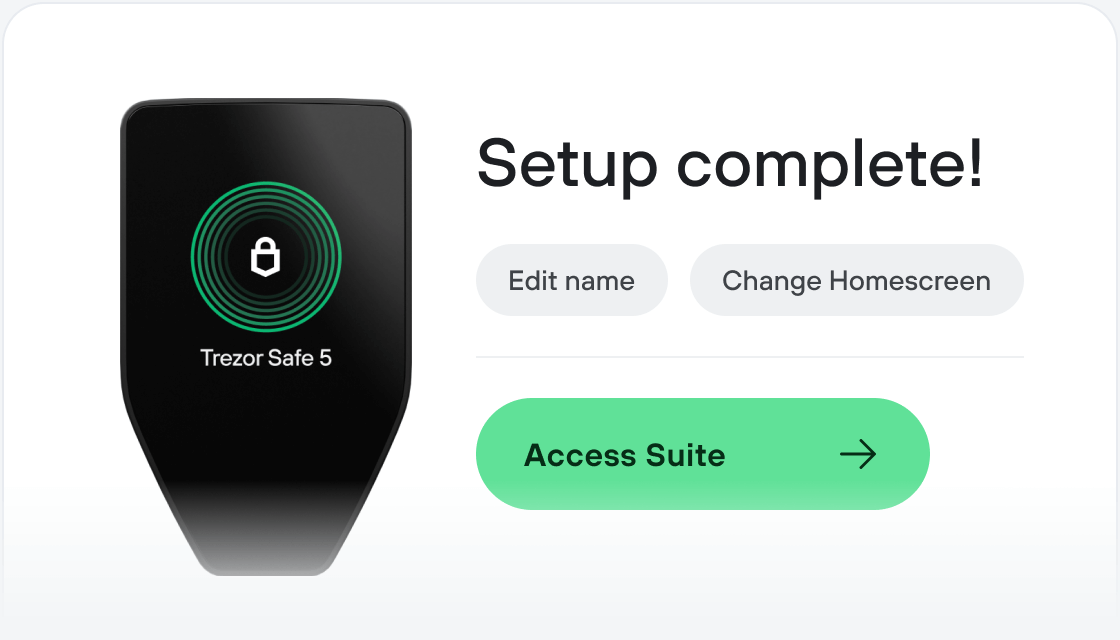
Übertrage deinen XLM
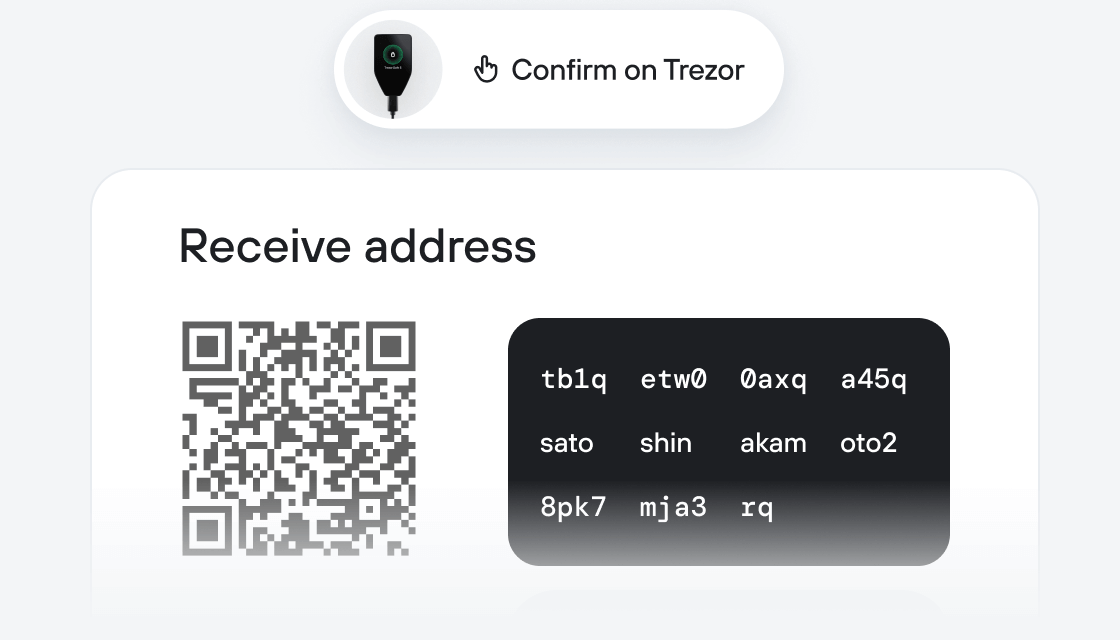
Mache das Beste aus deinen XLM
Trezor hält dein XLM sicher
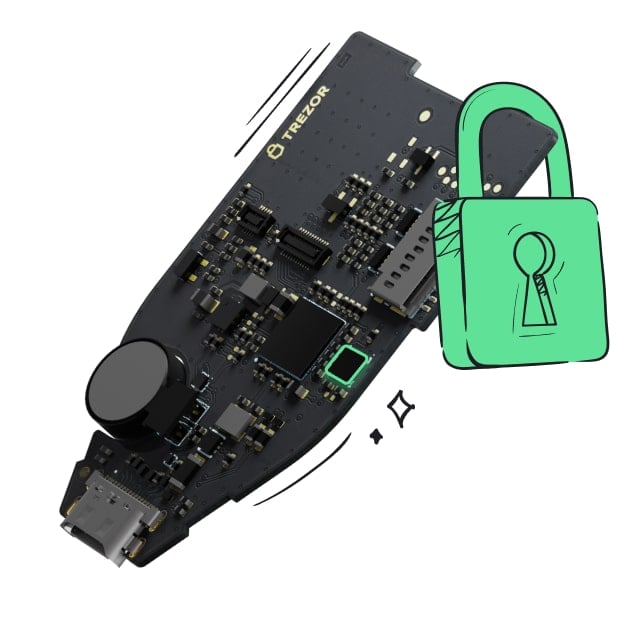 Geschützt durch Secure Element
Die beste Verteidigung gegen beides, online und offline Bedrohungen
 Deine Token, deine Kontrolle
Absolute Kontrolle über jede Transaktion mit Bestätigung auf dem Gerät
 Sicherheit beginnt mit Open-Source
Das transparente Wallet-Design macht deinen Trezor besser und sicherer
 Übersichtliches & einfaches Wallet-Backup
Stelle deinen Zugriff auf deine digitalen Assets wieder her mit einem neuen Backup-Standard
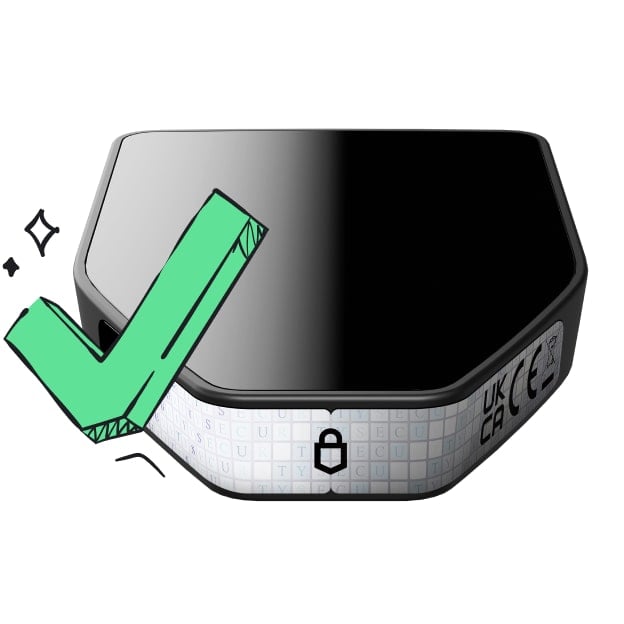 Vertrauen vom ersten Tag an
Verpackungs- & Gerätesicherheitssiegel schützen die Integrität deines Trezors
Das Stellar-Netzwerk ist ein quelloffenes, verteiltes und gemeinschaftlich organisiertes Netzwerk, das den Transfer von Werten über Asset-Grenzen hinweg ermöglicht. Ziel von Stellar ist es, diese Übertragungen mit minimalen Kosten zu realisieren und ein offenes Finanzsystem zu bieten, das Menschen aller Einkommensklassen den Zugang zu günstigen Finanzdienstleistungen eröffnet. Stellar kann den Tausch zwischen Fiatwährungen und Kryptowährungen ermöglichen. Die unterstützende Organisation Stellar.org ist – ähnlich wie XRP – zentralisiert und konzentriert sich auf plattformübergreifende Transaktionen und Mikrozahlungen. Im Unterschied zu Ripple ist Stellar.org jedoch gemeinnützig und ihre Plattform ist quelloffen und dezentral. Stellar wurde 2014 von Jed McCaleb gegründet, der außerdem Mt. Gox ins Leben rief und Co-Gründer von Ripple ist. Die Juristin Joyce Kim war Mitgründerin. Stellar ist auch eine Zahlungstechnologie, die Finanzinstitute verbinden und die Kosten und den Zeitaufwand für grenzüberschreitende Transaktionen drastisch reduzieren möchte. Anfänglich verwendeten beide Netzwerke das gleiche Protokoll.
Distributed Exchange Durch die Nutzung der eigenen Währung Lumens (XLM) können Nutzer beliebige Währungen versenden und einen automatisierten Währungsumtausch nutzen. Beispielsweise kann Joe US-Dollar senden, Mary erhält aber Euro – dies geschieht über ein Angebotsbuch im dezentralen Netzwerk, das stets den besten Kurs für die Transaktion sucht. Möglich wird dies durch sogenannte "Anchors". Anchors sind vertrauenswürdige Stellen, die Einlagen verwahren und Kredit vergeben. Sie dienen als Brücke zwischen Fiat-Währungen und dem Stellar-Netzwerk. Lumens (XLM) sind das native digitale Asset, das es ermöglicht, dass Multiwährungstransaktionen schnell und kostengünstig stattfinden.
Um Spam und DoS-Attacken auf das Stellar-Netzwerk zu verhindern, wird jede Transaktion mit einer geringen Gebühr in Höhe von 0,00001 XLM belegt. Diese Gebühr ist minimal, schützt das Netzwerk aber zuverlässig vor Spam. Bis Protokollversion 12 hatte Stellar einen Inflationsmechanismus, der dazu diente, durch gemeinschaftliche Beschlüsse Projekte innerhalb des Netzwerks zu finanzieren. Da sich herausstellte, dass dies nicht wie beabsichtigt funktionierte – Nutzer wählten entweder keinen Empfänger für die Inflationsausschüttung oder vereinigten sich, um diese direkt einzulösen – sowie die operativen Kosten stiegen, wurde die Inflationsfunktion abgeschafft. Die Anpassung erfolgte per Upgrade nach einer Abstimmung durch die Validatoren. Mehr dazu unter: https://developers.stellar.org/docs/glossary/inflation/