Sichere & geschützte Reserve Rights Wallet
Übernimm die Kontrolle über deine Reserve Rights Assets mit vollem Vertrauen in das Trezor Ökosystem.
- Gesichert durch deine Hardware-Wallet
- Nutze ihn mit kompatiblen Hot-Wallets
- Über 2 Millionen Kunden vertrauen uns
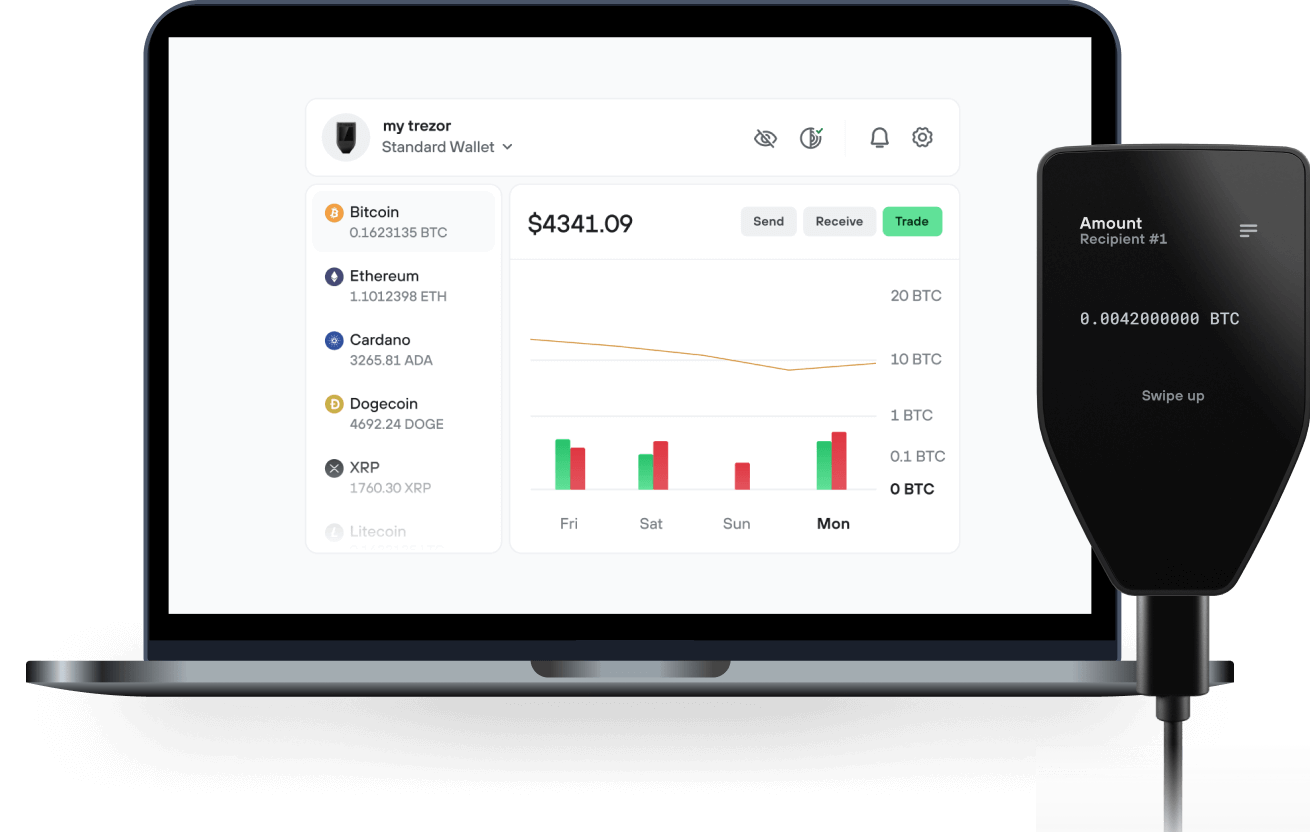
Sende & empfange deinen Reserve Rights mit der Trezor Suite App

Sende & empfange
Kaufen & tauschen
Trezor Hardware-Wallet, die Reserve Rights unterstützen
Synchronisiere Trezor mit Wallet-Apps
Verwalte deine Reserve Rights mit deiner Trezor Hardware-Wallet, die mit mehreren Wallet-Apps synchronisiert ist.
Trezor Suite
MetaMask
Rabby
Unterstütztes Reserve Rights Netzwerk
Warum eine Hardware-Wallet?
Gehe offline mit Trezor
- Du besitzt 100 % deiner Coins
- Deine Wallet ist offline zu 100 % sicher
- Deine Daten sind zu 100 % anonym
- Deine Coins sind an keine Firma gebunden
Online-Börsen
- Wenn ein Umtausch fehlschlägt, verlierst du deine Coins
- Börsen sind Ziele von Hackern
- Deine persönlichen Daten könnten offengelegt werden
- Du besitzt deine Coins nicht wirklich
Wie man RSR auf Trezor
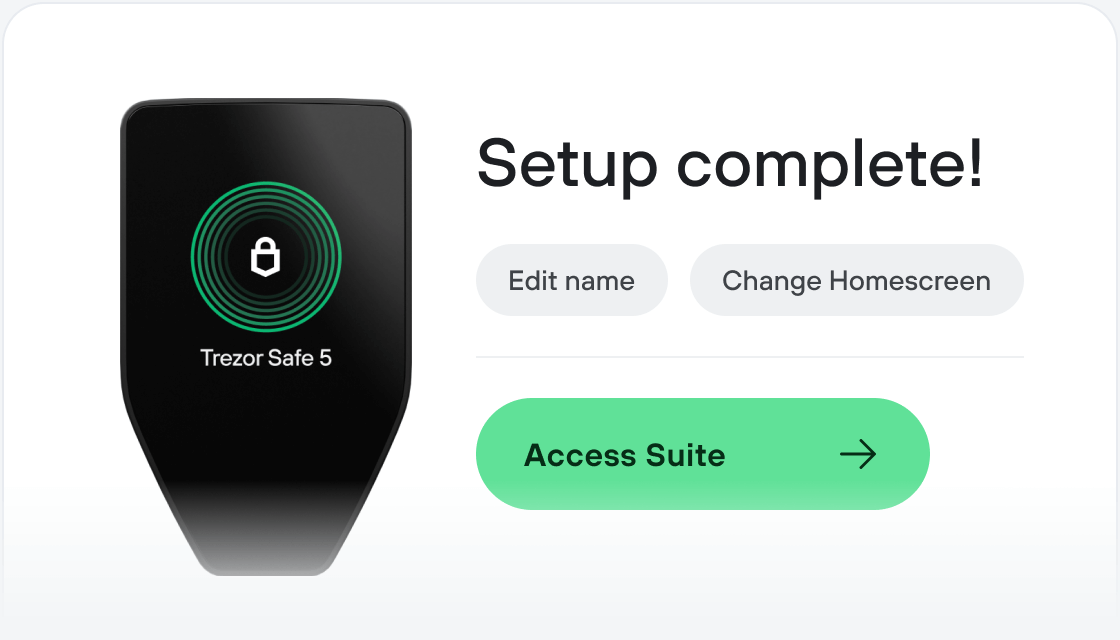
Verbinde deinen Trezor
Installiere Trezor Suite App
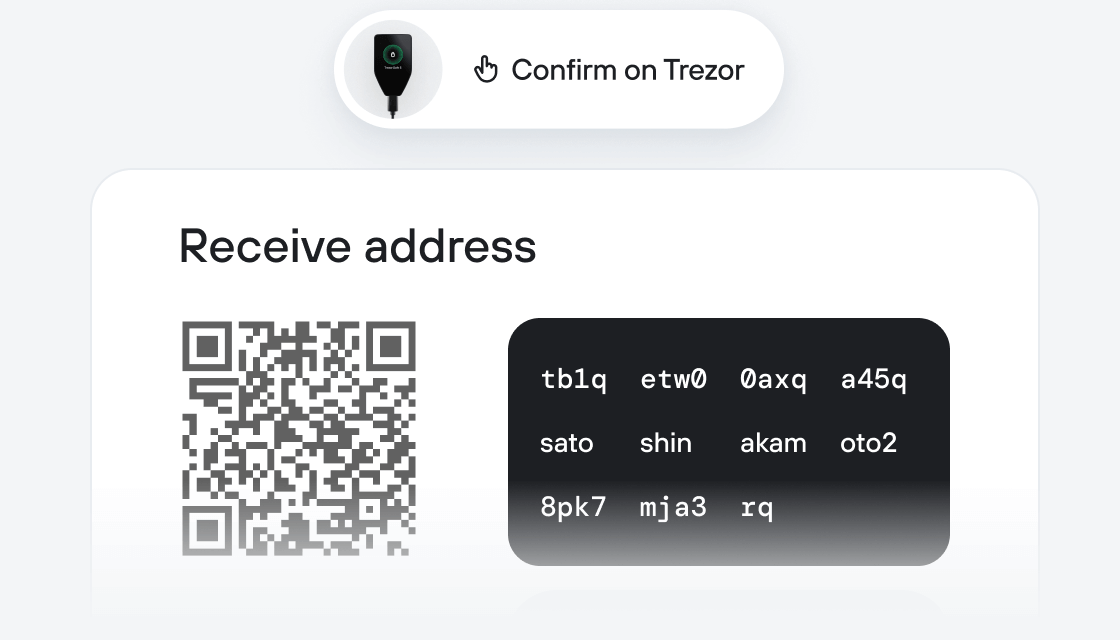
Übertrage deinen RSR
Mache das Beste aus deinen RSR
Trezor hält dein RSR sicher
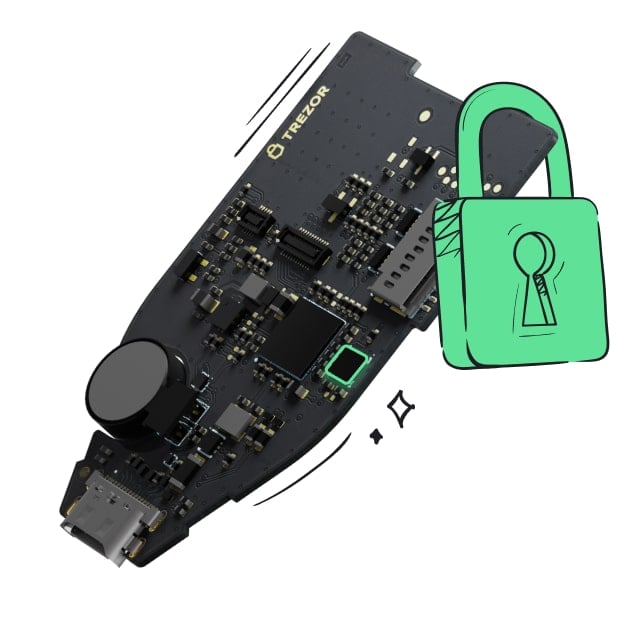 Geschützt durch Secure Element
Die beste Verteidigung gegen beides, online und offline Bedrohungen
 Deine Token, deine Kontrolle
Absolute Kontrolle über jede Transaktion mit Bestätigung auf dem Gerät
 Sicherheit beginnt mit Open-Source
Das transparente Wallet-Design macht deinen Trezor besser und sicherer
 Übersichtliches & einfaches Wallet-Backup
Stelle deinen Zugriff auf deine digitalen Assets wieder her mit einem neuen Backup-Standard
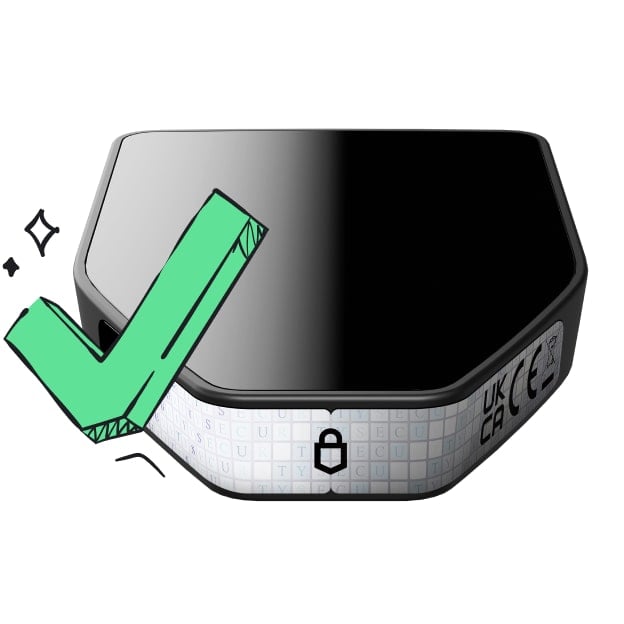 Vertrauen vom ersten Tag an
Verpackungs- & Gerätesicherheitssiegel schützen die Integrität deines Trezors
Was ist Reserve Rights (RSR)?
Reserve Rights (RSR) ist ein ERC-20 Token, der im Reserve-Protokoll zwei Hauptfunktionen erfüllt: Überbesicherung von Reserve-Stablecoins (RTokens) durch Staking sowie die Steuerung (Governance) dieser Stablecoins durch Vorschläge & Abstimmungen zu deren Konfiguration.
Der Reserve Rights (RSR) Token wurde im Mai 2019 nach einem erfolgreichen Initial Exchange Offering (IEO) auf der Huobi Prime Plattform eingeführt.
Wofür wird Reserve Rights (RSR) verwendet?
Neben der Funktion als Governance-Token für die Reserve-Stablecoins (RTokens), mit denen Änderungen an RTokens vorgeschlagen & per RSR abgestimmt werden können, dient Reserve Rights als Sicherheitspuffer, um Inhaber von Reserve-Stablecoins (RToken) im unwahrscheinlichen Fall eines Ausfalls eines Sicherheiten-Tokens schützen zu können. Damit RSR-Inhaber diese Überbesicherung bereitstellen können, können sie sich entscheiden, auf ein einzelnes RToken zu staken oder ihre RSR-Tokens auf mehrere RTokens zu verteilen. Alternativ können RSR-Inhaber auch darauf verzichten, ihr RSR zu staken.
Als Gegenleistung für die Bereitstellung dieses Erstverlustkapitals können RSR-Staker erwarten, einen Anteil an den Einnahmen des jeweiligen RTokens zu erhalten, auf welches sie gestakt haben. Im Allgemeinen gilt: Je größer die Marktkapitalisierung eines RTokens wird, desto höhere Erträge (APYs) sind für RSR-Staker möglich.
Im Gegensatz zum „Staking“, das man heutzutage in vielen anderen Projekten sieht, ist das RSR-Staking auf Dauer angelegt. Im Modell von Reserve zahlen späte Teilnehmer nicht für frühe Teilnehmer, und es ist auch kein Vertrauen in das Staking anderer Parteien erforderlich.
Ausführlichere Informationen zum RSR-Staking findest du im Protokolldokumentation-Abschnitt zu RSR-Staking: https://reserve.org/protocol/reserve_rights_rsr/#reserve-rights-staking.
Wer sind die Gründer von Reserve?
Reserve wurde von Nevin Freeman und Matt Elder mitgegründet. Freeman ist ein erfahrener Unternehmer. Sein Lebensziel beschreibt er als „das Lösen von Koordinationsproblemen, die die Menschheit davon abhalten, ihr Potenzial zu erreichen“.
Matt Elder wiederum ist ein erfahrener Ingenieur, der zuvor bei Google und Quixey gearbeitet hat und die technische Umsetzung der Reserve-Protokoll-Architektur überblickte.
Seit dem Start im Jahr 2019 ist die Anzahl der Mitwirkenden im Reserve-Ökosystem erheblich gewachsen—dazu zählen Community-Mitglieder, Ingenieure sowie Rechts- und Compliance-Experten, die alle das gemeinsame Ziel verbindet, Reserve als offene, massiv skalierbare Stablecoin-Plattform mit Förderung wirtschaftlichen Wohlstands zu positionieren.
Was macht Reserve Rights einzigartig?
Im Gegensatz zu anderen Stablecoins, die in der Regel durch in US-Dollar (USD) gehaltene Bankreserven des Stablecoin-Herausgebers oder eines vertrauenswürdigen Treuhänders gedeckt sind, werden Reserve-Stablecoins durch einen Korb von Kryptowährungen abgesichert, der durch Smart Contracts verwaltet wird.
Diese Körbe können aus beliebigen ERC-20 Assets bestehen. In der Anfangsphase beinhalten RTokens meist andere Kryptowährungen, wie liquide Staking-Token (zum Beispiel stETH) oder ertragsgenerierende DeFi-Positionen (wie cUSDC). Die Reserve-Community wird sich schrittweise auf vielfältigere Körbe zubewegen, die beispielsweise Fiatwährungen, Wertpapiere, Rohstoffe und komplexere Assets wie synthetische oder abgeleitete Instrumente umfassen können. Lies mehr zu Reserve’s langfristigen Zielen hier: https://reserve.org/protocol/our_long_term_goal/
Wie viele Reserve Rights (RSR) Coins sind im Umlauf?
Reserve Rights hat einen festen Vorrat von 100 Milliarden Tokens. Davon befinden sich etwa 52% (Stand September 2024) im Umlauf.
Das maximale Token-Angebot wurde bereits vorab erzeugt, doch ein großer Anteil ist aus verschiedenen Gründen gesperrt, darunter 49,4% der Tokens, die in einem Smart Contract, der "Slow Wallet", gelockt sind. Die Auszahlung der Mittel aus dieser Wallet erfolgt nach einem festgelegten, deterministischen Zeitplan, mehr dazu: https://blog.reserve.org/reducing-rsr-emissions-6da7f35917ba
Bei der Erstvergabe von Reserve Rights wurden 6,85 Milliarden Token als Umlaufangebot gestartet; 3% davon gingen an Huobi Prime IEO-Teilnehmer, 2,85% als Projekt-Tokens und 1% an private Investoren. Alle Team-, Berater-, Partner- und Seed-Investor-Tokens sind bereits entweder seit Januar 2022 oder seit dem Launch des vollständigen Reserve-Protokolls auf dem Ethereum-Mainnet freigeschaltet worden. Einen ausführlichen Überblick über den Freischaltungsplan erhältst du hier: https://reserve.org/protocol/reserve_rights_rsr/#reserve-rights-release-schedule.
Wie wird das Reserve Rights Netzwerk gesichert?
Reserve Rights ist derzeit ein ERC-20 Token, der auf der Ethereum-Blockchain basiert. Daher ist es durch einen robusten Proof-of-Work (POW)-Konsensmechanismus vor Angriffen geschützt, der von einem Netzwerk aus Tausenden von Ethereum-Minern abgesichert wird.
Wo kann man Reserve Rights (RSR) kaufen?
Reserve Rights (RSR) ist ein beliebter Token mit ausgezeichneter Liquidität.
Der Token kann auf mehreren etablierten Kryptowährungs-Börsen wie Binance, Huobi Global und OKX erworben und gehandelt werden. Handelspaare bestehen unter anderem mit populären Kryptowährungen wie Bitcoin (BTC), Tether (USDT) und Ethereum (ETH) sowie mit dem US-Dollar (USD).