Sichere & geschützte Ethereum Name Service Wallet
Übernimm die Kontrolle über deine Ethereum Name Service Assets mit vollem Vertrauen in das Trezor Ökosystem.
- Gesichert durch deine Hardware-Wallet
- Nutze ihn mit kompatiblen Hot-Wallets
- Über 2 Millionen Kunden vertrauen uns
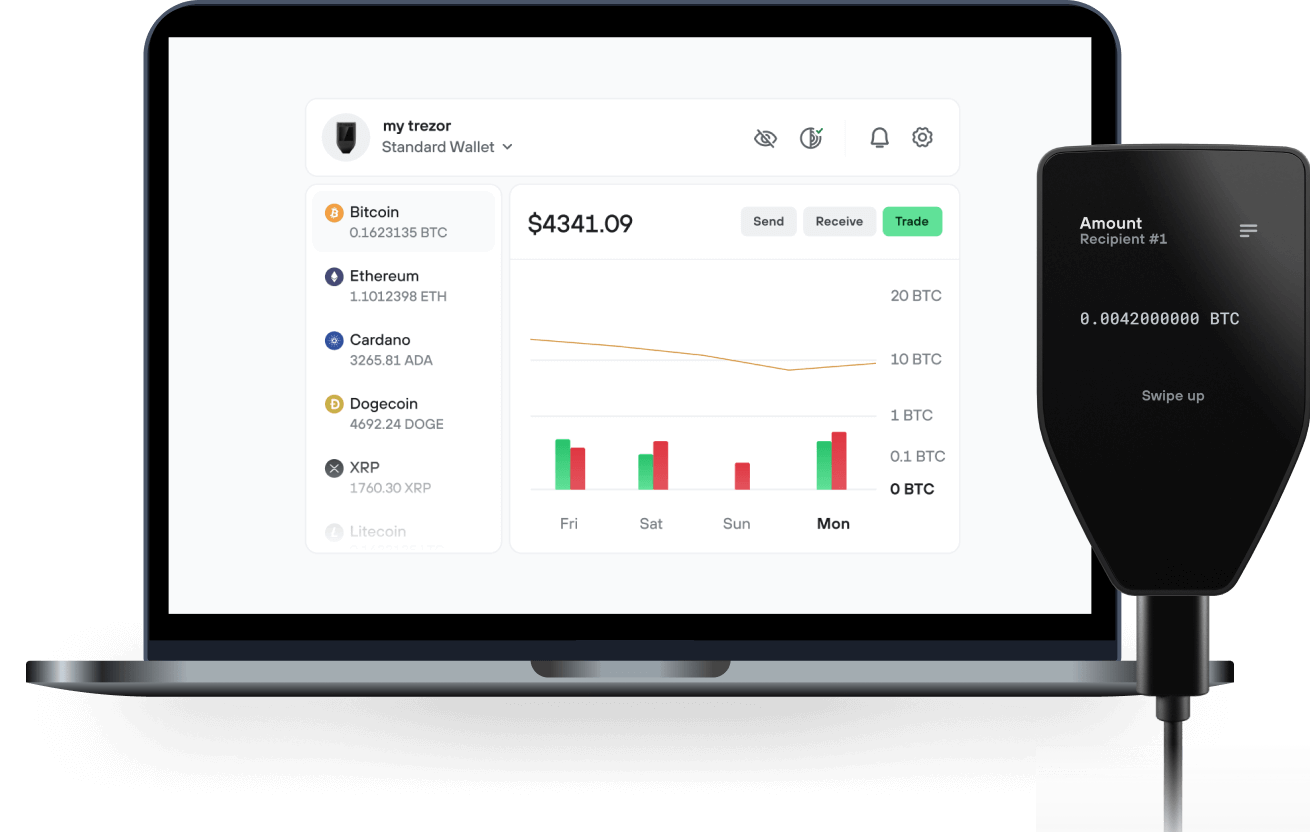
Sende & empfange deinen Ethereum Name Service mit der Trezor Suite App

Sende & empfange
Kaufen & tauschen
Trezor Hardware-Wallet, die Ethereum Name Service unterstützen
Synchronisiere Trezor mit Wallet-Apps
Verwalte deine Ethereum Name Service mit deiner Trezor Hardware-Wallet, die mit mehreren Wallet-Apps synchronisiert ist.
Trezor Suite
MetaMask
Rabby
Unterstütztes Ethereum Name Service Netzwerk
Warum eine Hardware-Wallet?

Gehe offline mit Trezor
- Du besitzt 100 % deiner Coins
- Deine Wallet ist offline zu 100 % sicher
- Deine Daten sind zu 100 % anonym
- Deine Coins sind an keine Firma gebunden
Online-Börsen
- Wenn ein Umtausch fehlschlägt, verlierst du deine Coins
- Börsen sind Ziele von Hackern
- Deine persönlichen Daten könnten offengelegt werden
- Du besitzt deine Coins nicht wirklich
Wie man ENS auf Trezor
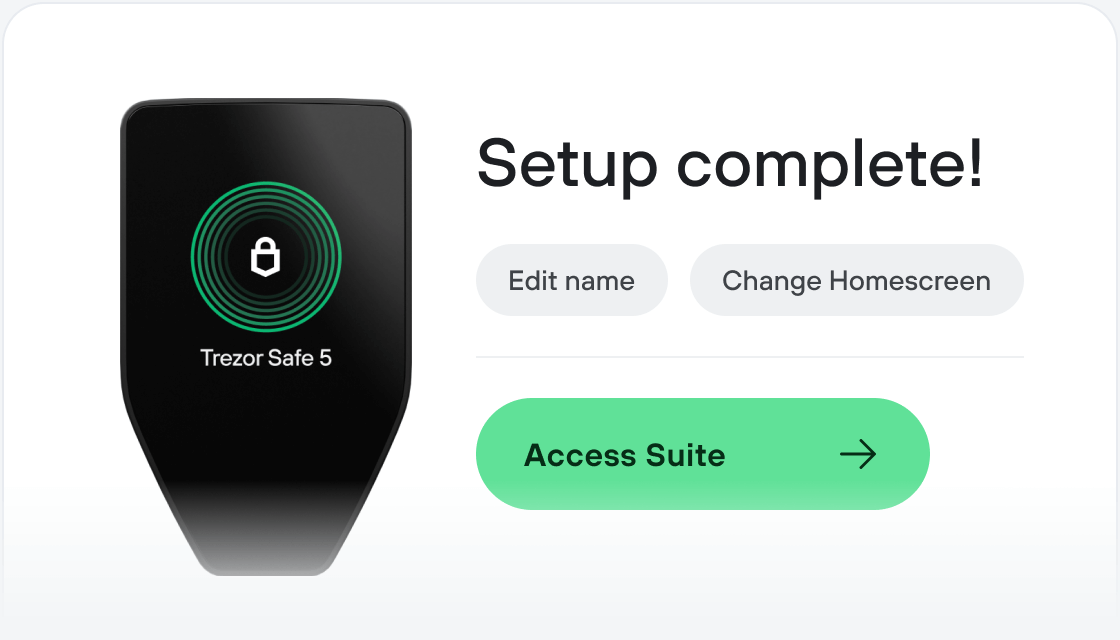
Verbinde deinen Trezor
Installiere Trezor Suite App
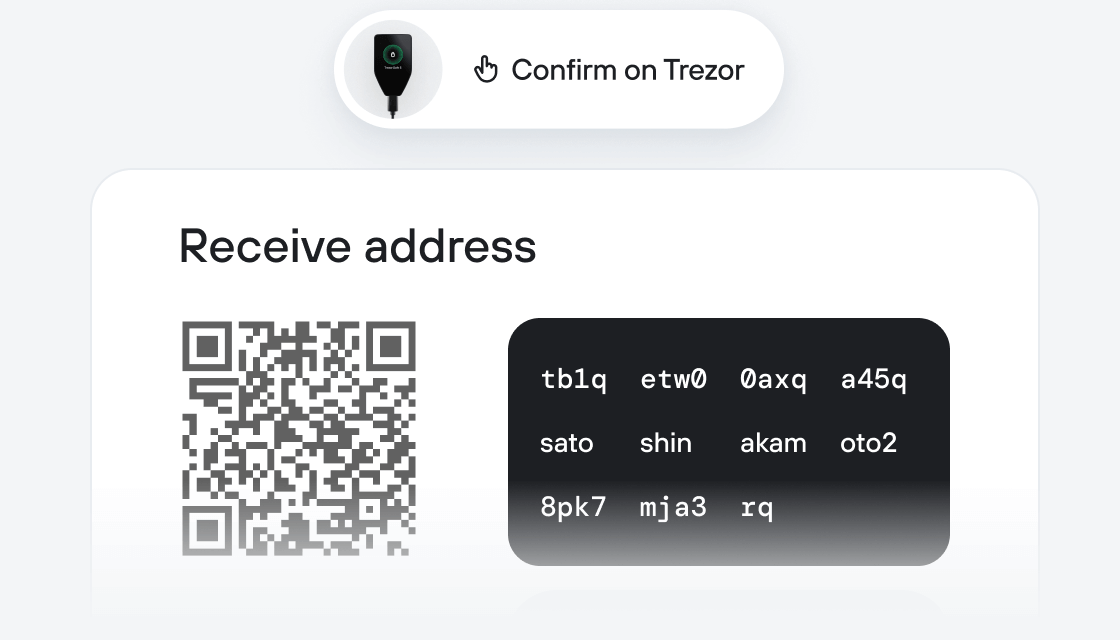
Übertrage deinen ENS
Mache das Beste aus deinen ENS
Trezor hält dein ENS sicher
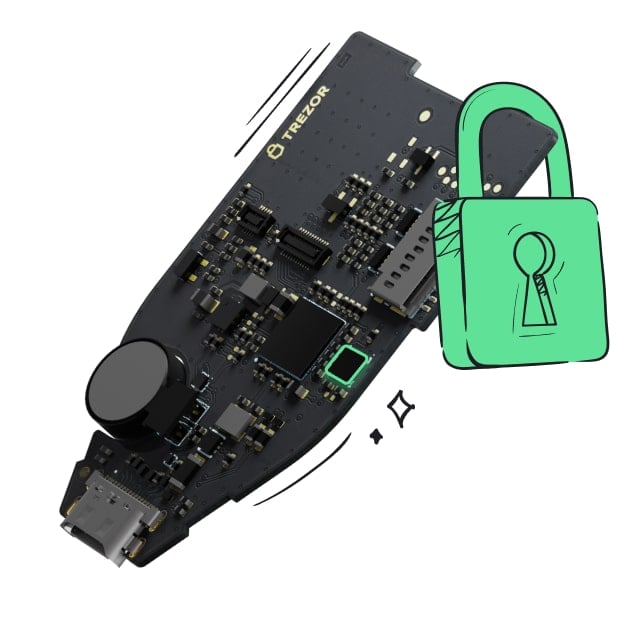 Geschützt durch Secure Element
Die beste Verteidigung gegen beides, online und offline Bedrohungen
 Deine Token, deine Kontrolle
Absolute Kontrolle über jede Transaktion mit Bestätigung auf dem Gerät
 Sicherheit beginnt mit Open-Source
Das transparente Wallet-Design macht deinen Trezor besser und sicherer
 Übersichtliches & einfaches Wallet-Backup
Stelle deinen Zugriff auf deine digitalen Assets wieder her mit einem neuen Backup-Standard
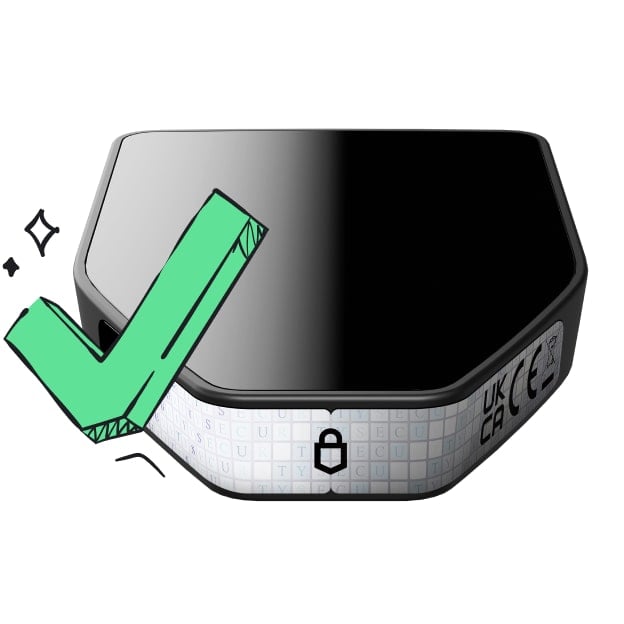 Vertrauen vom ersten Tag an
Verpackungs- & Gerätesicherheitssiegel schützen die Integrität deines Trezors
Der Ethereum Name Service (ENS) ist ein verteiltes, offenes und erweiterbares Namenssystem, das auf der Ethereum Blockchain basiert.
ENS ordnet menschenlesbare Namen wie ‚alice.eth‘ maschinenlesbaren Identifikatoren wie Ethereum-Adressen, anderen Kryptowährungsadressen, Content-Hashes und Metadaten zu. ENS unterstützt auch ein ‚reverse resolution‘, sodass Metadaten wie Hauptnamen oder Schnittstellenbeschreibungen mit Ethereum-Adressen verknüpft werden können.
ENS verfolgt ähnliche Ziele wie DNS (Domain Name Service), unterscheidet sich jedoch durch die spezifischen Möglichkeiten und Einschränkungen der Ethereum-Blockchain erheblich in der Architektur. Ähnlich wie DNS nutzt ENS ein System von durch Punkte getrennten, hierarchischen Namen, sogenannte Domains, bei denen der Besitzer einer Domain die volle Kontrolle über Subdomains hat.
Top-Level-Domains wie ‚.eth’ oder ‚.test‘ gehören Smart Contracts namens Registrar, die die Regeln zur Domainvergabe vorschreiben. Jeder kann, sofern die Regeln erfüllt werden, entsprechend Domains erwerben. ENS unterstützt auch die Übernahme bereits besessener DNS-Namen für ENS.
Dank der hierarchischen Struktur kann jeder, der eine Domain besitzt, beliebig Subdomains – für sich oder andere – erstellen und konfigurieren. Beispiel: Wenn Alice ‚alice.eth‘ besitzt, kann sie ‚pay.alice.eth‘ einrichten und nach Belieben zuweisen.
ENS ist im Ethereum Mainnet und in mehreren Testnetzwerken verfügbar. Wenn man eine Bibliothek wie die JavaScript-Bibliothek ensjs oder eine Endbenutzeranwendung verwendet, erkennt diese automatisch das Netzwerk, mit dem man interagieren, und nutzt die ENS-Bereitstellung in diesem Netzwerk.