Dompet BLUECHIP yang aman & terlindungi
Kendalikan BLUECHIP aset Anda sepenuhnya dengan percaya diri di ekosistem Trezor.
- Diamankan oleh dompet perangkat keras Anda
- Gunakan dengan dompet panas yang kompatibel
- Dipercaya oleh lebih dari 2 juta pelanggan
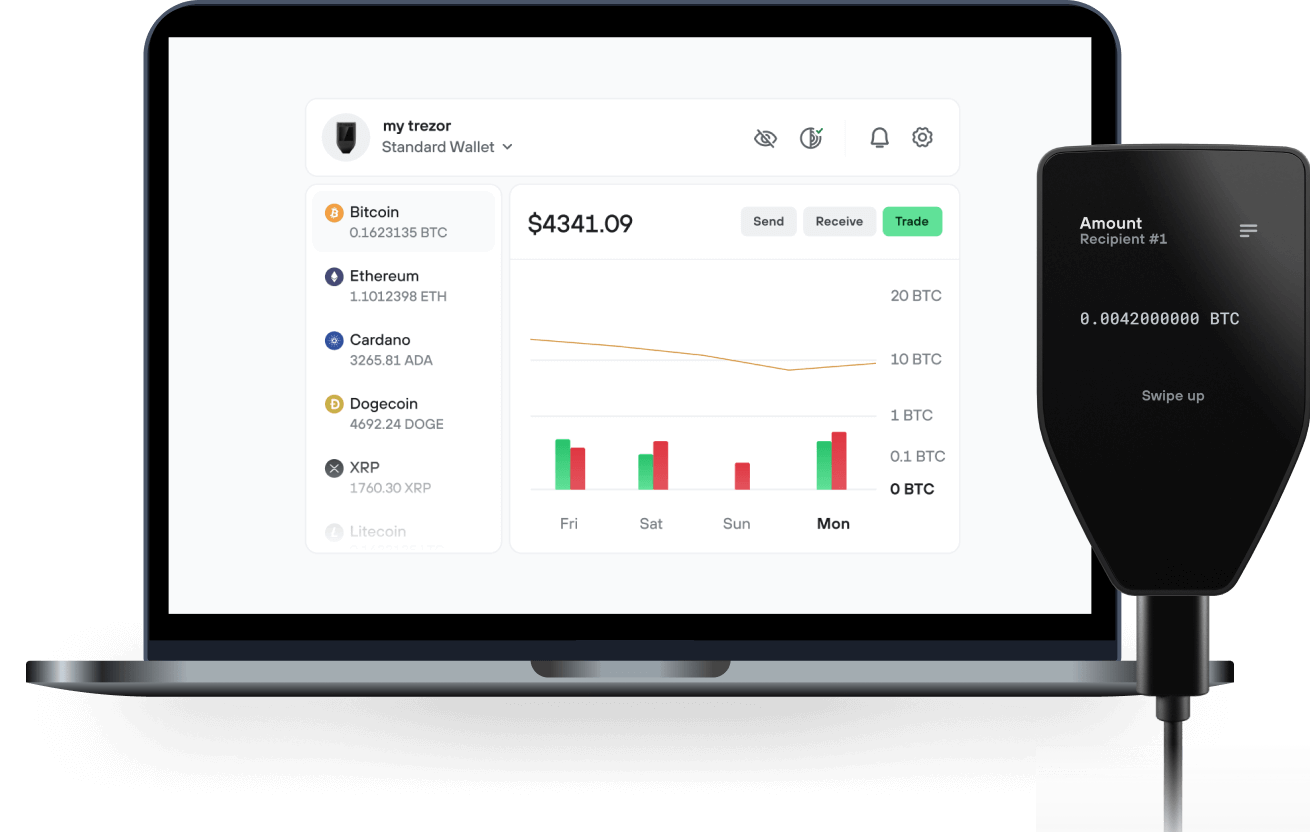
Kirim & terima BLUECHIP Anda dengan aplikasi Trezor Suite

Kirim & terima
Dompet perangkat keras Trezor yang mendukung BLUECHIP
Sinkronkan Trezor Anda dengan aplikasi dompet
Kelola BLUECHIP Anda dengan dompet perangkat keras Trezor yang terhubung dengan beberapa aplikasi dompet.
Trezor Suite
Backpack
NuFi
Jaringan BLUECHIP yang didukung
Mengapa dompet perangkat keras?

Offline bersama Trezor
- Anda memiliki 100% koin Anda
- Dompet Anda 100% aman secara offline
- Data Anda 100% anonim
- Koin Anda tidak terikat pada perusahaan mana pun
Bursa online
- Jika sebuah bursa gagal, Anda akan kehilangan koin Anda
- Bursa menjadi target para peretas
- Data pribadi Anda mungkin terekspos
- Anda tidak benar-benar memiliki koin Anda
Cara menggunakan BLUECHIP di Trezor
Hubungkan Trezor Anda
Buka aplikasi dompet pihak ketiga
Kelola aset Anda
Maksimalkan BLUECHIP Anda
Trezor menjaga BLUECHIP Anda tetap aman
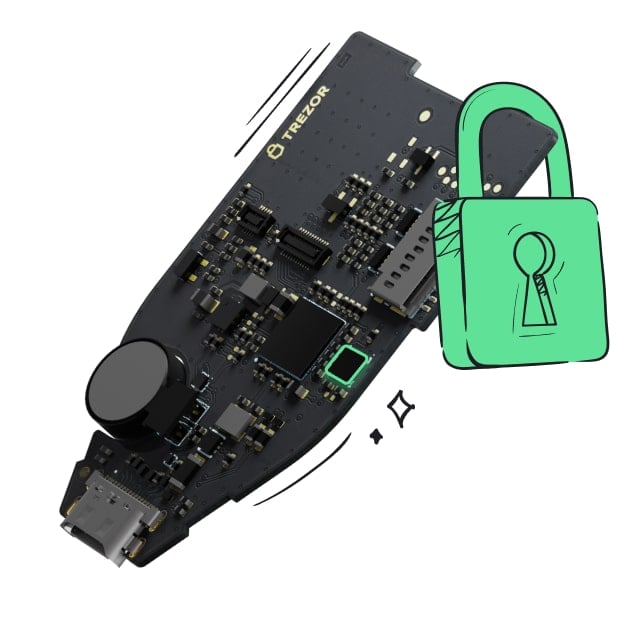 Dilindungi oleh Secure Element
Perlindungan terbaik terhadap ancaman online dan offline
 Token Anda, kendali Anda
Kontrol penuh atas setiap transaksi dengan konfirmasi langsung di perangkat
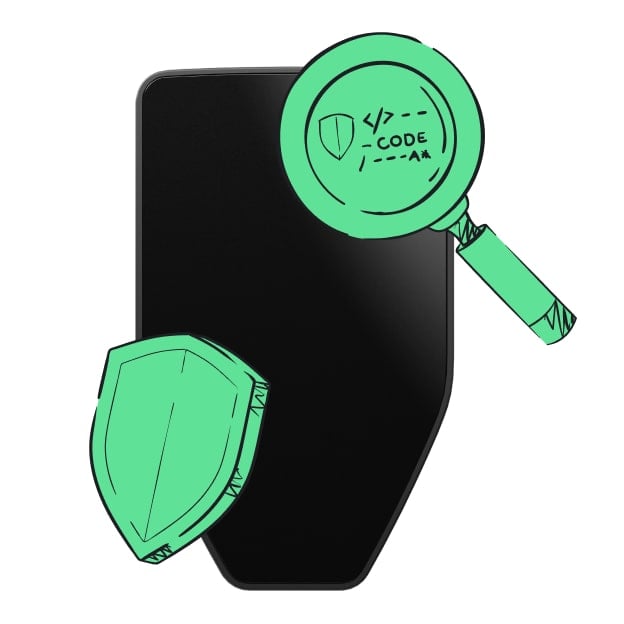 Keamanan dimulai dengan open-source
Desain dompet transparan membuat Trezor Anda lebih baik dan lebih aman
 Cadangan dompet yang jelas & sederhana
Pulihkan akses ke aset digital Anda dengan standar cadangan baru
 Percaya diri sejak hari pertama
Segel pengaman kemasan & perangkat melindungi integritas Trezor Anda
The term “blue chip” didn’t come from Wall Street analysts or economists — it came from the poker table, where blue chips held the highest value and commanded the most respect. When players saw blue chips, they immediately associated them with strength, dominance, and winning power. That idea stuck.
In the 1920s, a Dow Jones employee named Oliver Gingold borrowed the phrase to describe high-priced stocks. Over time, “blue chip” stopped being just about price and became a symbol of trust, size, stability, and long-term relevance. Companies like Nvidia, Coca-Cola, Apple, and Google earned that label because they didn’t just survive — they led, shaped markets, and became cultural fixtures.
Today, the meaning of blue chips has expanded far beyond traditional stocks. The term is now used for prime real estate, government bonds, rare collectibles, NFTs, and cryptocurrency. In every case, the idea is the same: assets that people believe will last, matter, and remain valuable in the long run.
In the memecoin world, however, “blue chip” takes on an even deeper meaning. Memecoins aren’t valued by balance sheets or earnings — they’re powered by culture, community, attention, and belief. A blue-chip memecoin isn’t just traded; it’s recognized, referenced, and remembered. It becomes a symbol, a narrative, and a shared identity.
Many coins call themselves blue chips, hoping the name alone will give them credibility. But in meme culture, you don’t declare yourself a blue chip — the internet does. Status comes from virality, staying power, community conviction, and the ability to transcend hype cycles.
That’s why the statement matters:
Many coins call themselves blue chips — but there’s only one $BLUECHIP.
As a memecoin, $BLUECHIP isn’t just a token, it’s a commentary on status itself — a meme about value, perception, and dominance in a space where belief creates reality. It represents the idea of being the blue chip in a market obsessed with calling everything one.