Portefeuille sûr et sécurisé XL1
Prenez le contrôle de vos XL1 actifs en toute confiance dans l’écosystème Trezor.
- Sécurisé par votre portefeuille matériel
- Utiliser avec des hot wallets compatibles
- Adopté par plus de 2 millions de clients
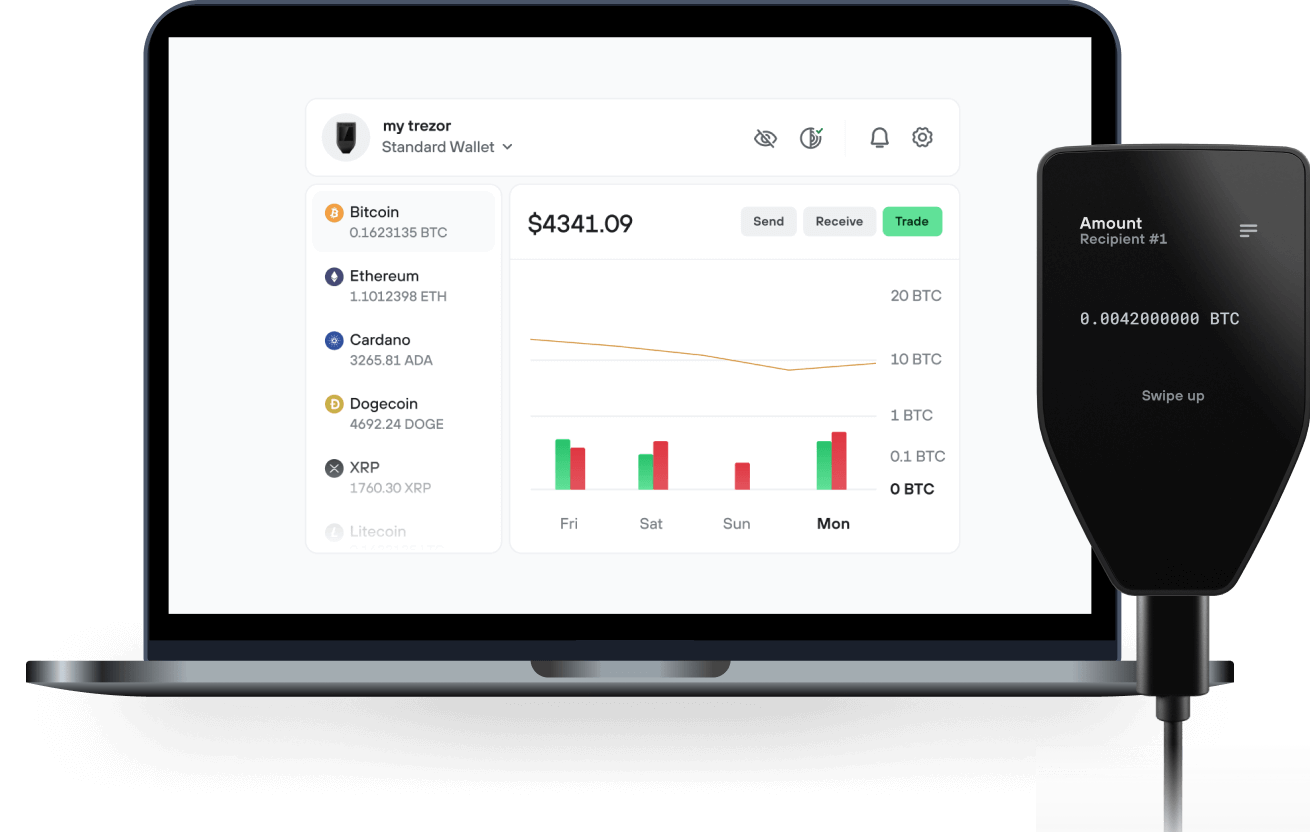
Envoyez et recevez vos XL1 avec l'application Trezor Suite

Envoyer et recevoir
Transférez facilement vos XL1 de n'importe quel portefeuille ou échange vers votre portefeuille matériel Trezor.
Portefeuilles matériels Trezor qui supportent XL1
Synchronisez votre Trezor avec des applications de portefeuille
Gérez vos XL1 avec votre portefeuille matériel Trezor synchronisé avec plusieurs applications de portefeuilles.
Trezor Suite
MetaMask
Rabby
XL1 Réseau supporté
Pourquoi un portefeuille matériel ?
Allez hors ligne avec Trezor
- Vous possédez 100% de vos cryptos
- Votre portefeuille est 100% sécurisé hors ligne
- Vos données sont 100 % anonymes
- Vos cryptos ne dépendent d’aucune entreprise
Échanges en ligne
- Si un échange échoue, vous perdez vos cryptos
- Les échanges sont des cibles pour les pirates
- Vos données personnelles peuvent être exposées
- Vous ne possédez pas réellement vos cryptos
Comment utiliser XL1 sur Trezor
1
Connectez votre Trezor
Connectez votre portefeuille matériel Trezor à votre ordinateur ou appareil mobile et suivez les instructions d'installation.
2
Ouvrez une application de portefeuille tierce
Allez sur trezor.io/coins pour trouver une application de portefeuille compatible avec votre crypto ou jeton. Téléchargez-la, ouvrez-la, puis suivez les étapes pour connecter votre Trezor.
3
Gérez vos actifs
Après avoir jumelé votre Trezor avec l'application de portefeuille, gérez vos cryptos en toute sécurité. Votre Trezor est utilisé pour confirmer chaque transaction importante.
4
Profitez pleinement de votre XL1
Installez-vous confortablement, vos actifs sont en sécurité. Votre portefeuille matériel Trezor offre une protection inégalée pour vos cryptos.
Trezor garde vos XL1 en sécurité
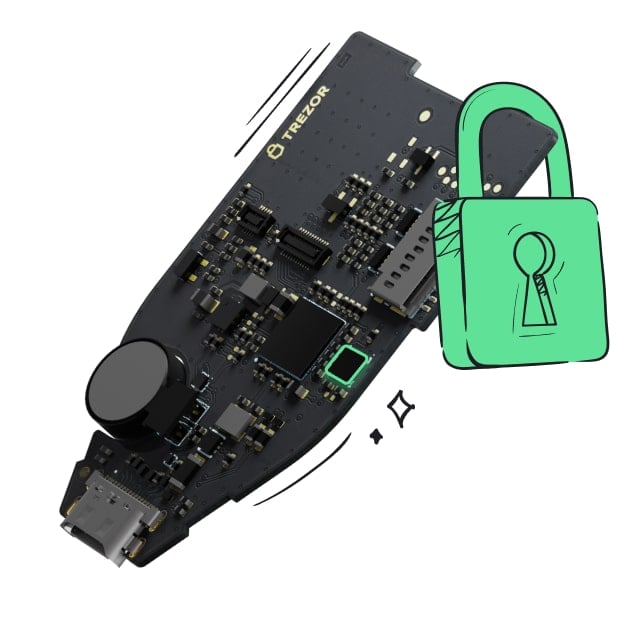 Protégé par Élément Sécurisé
La meilleure défense contre les menaces en ligne et hors ligne
 Vos jetons, votre contrôle
Contrôle absolu de chaque transaction avec confirmation sur l'appareil
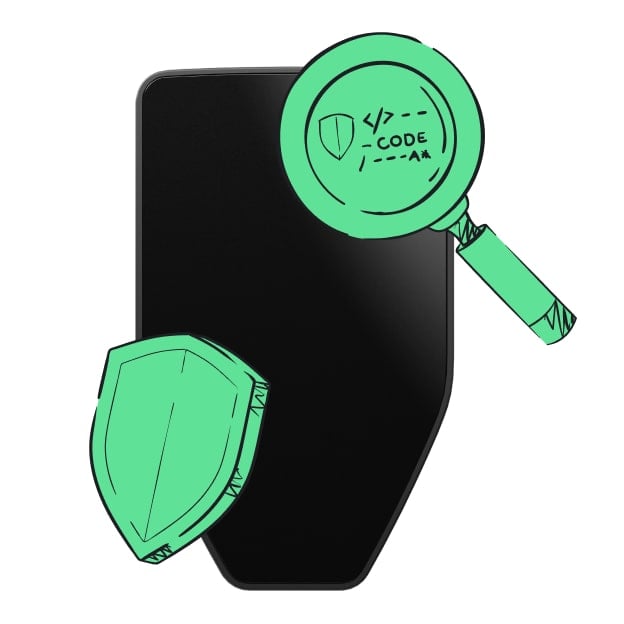 La sécurité commence par l'open source
Le design de portefeuille transparent rend votre Trezor meilleur et plus sûr
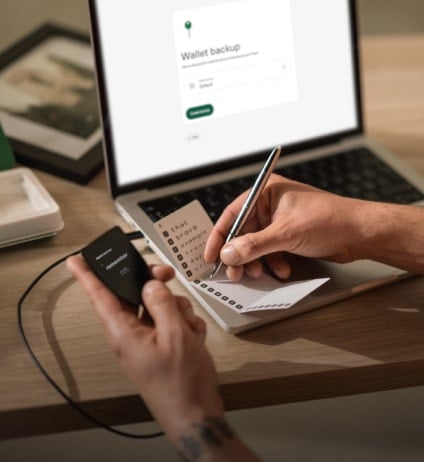 Sauvegarde de portefeuille claire et simple
Récupérez l’accès à vos actifs digitaux avec un nouveau standard de sauvegarde
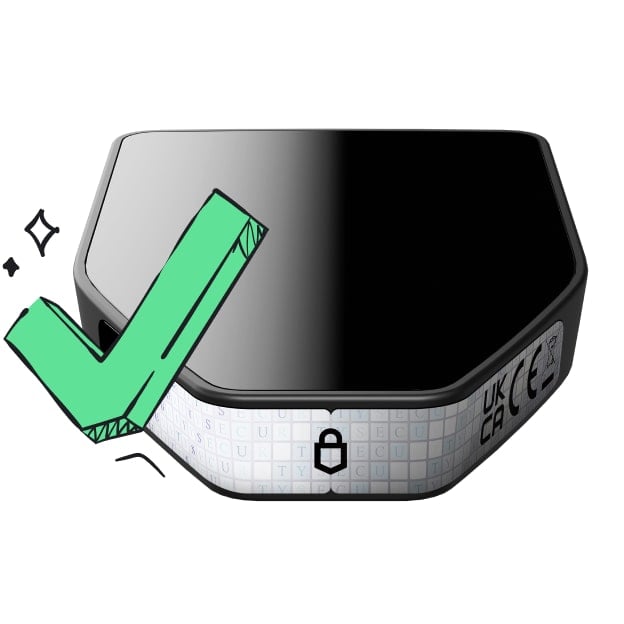 Confiance depuis le premier jour
Les sceaux de sécurité sur l’emballage et l’appareil protègent l’intégrité de votre Trezor
<h2>What is XL1 (by XYO)?</h2>
<p><b>XL1</b> is the utility token of <b>XYO Layer One</b>, the first scalable data blockchain that brings verifiable information on-chain. XL1 pays gas and transaction fees (with a portion burned by activity), powers smart contracts, dApps, and validator rewards, enables bridging/wrapping to other chains, and incentivizes participation via staking and step-based rewards. The ecosystem is dual-token: XL1 runs the chain; XYO powers the contributor network—rewards, staking, governance, and security. XYO’s DePIN, trustless oracle of 10M+ nodes, plus Proof of Location and Proof of Origin, delivers trusted data for AI, RWA, geospatial intelligence, and location-based gaming.</p>
<h2>What is XYO?</h2>
<p>XYO, the first DePIN and trustless oracle, collects and verifies real-world data through a decentralized network of more than 10 million nodes, enabling Web2 and Web3 companies to integrate trusted real world information into their systems and also leveraging its proprietary <b>Proof of Location</b> and <b>Proof of Origin</b> technologies, which power applications in real-world assets (RWA), location-based gaming, geospatial intelligence, and other real-world experiences.</p>
<h2>What is XYO Layer One?</h2>
<p>XYO Layer One is a data blockchain built to verify and move verifiable real world information on chain for <b>AI, DePIN, RWA, Gaming</b> and other applications.</p>
<p>It uses a dual token design where XYO powers the contributors ecosystem, rewards, staking, governance and security, and <b>XL1 is the gas and transaction token that runs the XYO Layer One blockchain.</b></p>
<p>XL1 is the native utility token used for:</p>
<ul>
<li>Paying gas and transaction fees for all on chain activity. Activity burns a portion of fees.</li>
<li>Powering smart contracts, dApps, and validator rewards on XYO Layer One.</li>
<li>Incentivizing participation through staking and step based rewards inside the protocol.</li>
<li>Bridging and wrapping for access on other chains.</li>
</ul>
<h2>How many XL1 tokens are there?</h2>
<p>At launch there are 38 billion XL1, with about 5.7 billion initially circulating. Long term inflation is around 0.7% per year after the early emission era, and base fee burns plus slashing can offset issuance over time.</p>
<p>Illustrative allocation and unlocks place the majority toward network emissions for node operators, with team and investor tokens on delayed cliffs and long vesting.</p>
<h2>What makes the chain different?</h2>
<p><b>Proof of Origin</b> and <b>Proof of Location</b> let devices attest to proximity and data lineage, so apps can trust where data came from and how it changed before it reaches a contract. These proofs are created at the edge with bound witness, then anchored on chain for integrity.</p>
<p>The architecture is built for high-volume data. Step hashing and bound witness trees help compress and verify large flows, while the chain keeps a single shared ledger that supports parallelized work across apps.</p>
<h2>Roadmap and status</h2>
<p>XYO Layer One is live. Milestones include wallet releases, bridging, staking, and expanded SDK support. Additional XYO Layer One features will be rolled out over the next months.</p>