Portefeuille sûr et sécurisé Tezos
Utilisez la sécurité de votre portefeuille matériel Trezor pour gérer vos Tezos en toute sécurité.
- Sécurisé par votre portefeuille matériel
- Adopté par plus de 2 millions de clients
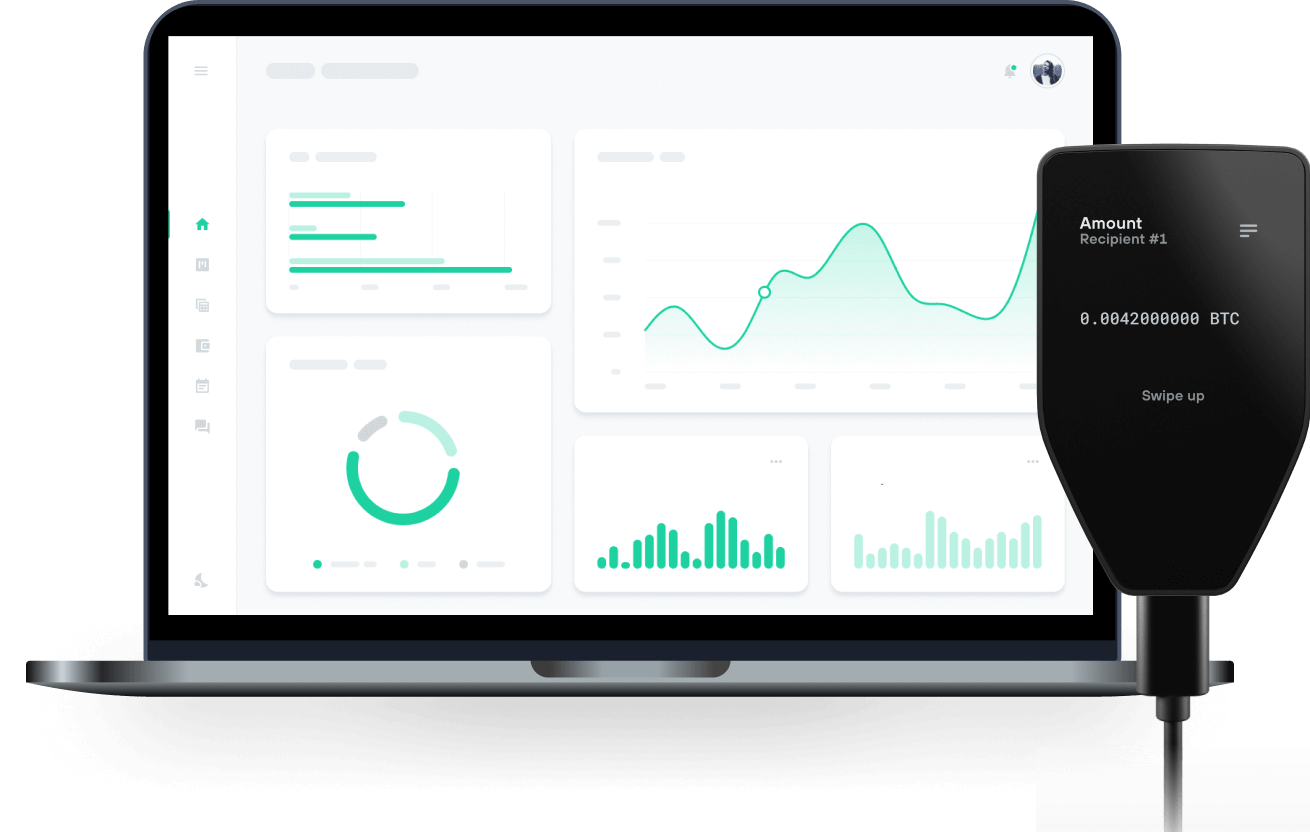
Achetez, vendez et gérez vos Tezos avec les portefeuilles matériels Trezor

Envoyer et recevoir
Achetez, vendez et échangez
Portefeuilles matériels Trezor qui supportent Tezos
Synchronisez votre Trezor avec des applications de portefeuille
Gérez vos Tezos avec votre portefeuille matériel Trezor synchronisé avec plusieurs applications de portefeuilles.
Briskett
Tezos Réseaux supportés
Pourquoi un portefeuille matériel ?
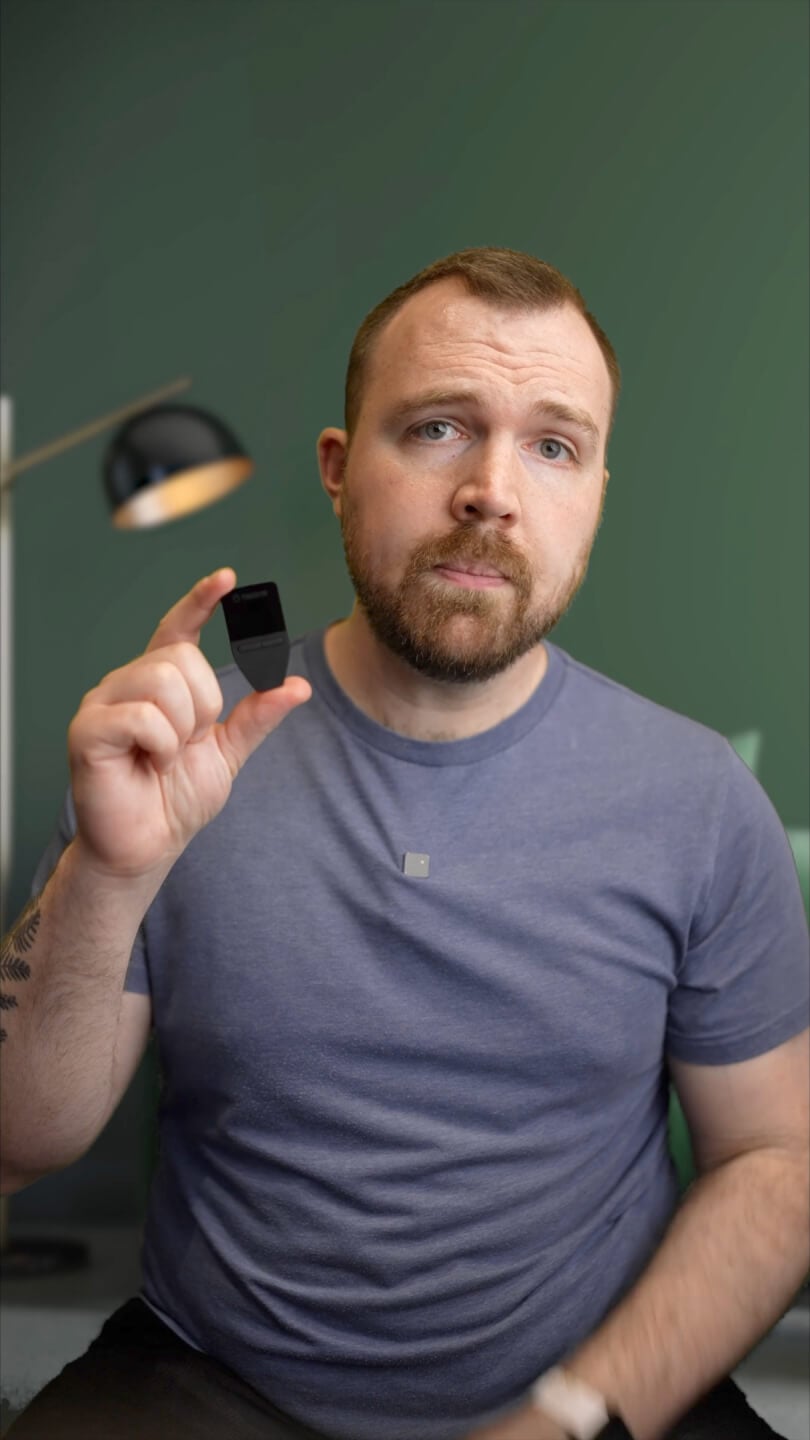
Allez hors ligne avec Trezor
- Vous possédez 100% de vos cryptos
- Votre portefeuille est 100% sécurisé hors ligne
- Vos données sont 100 % anonymes
- Vos cryptos ne dépendent d’aucune entreprise
Échanges en ligne
- Si un échange échoue, vous perdez vos cryptos
- Les échanges sont des cibles pour les pirates
- Vos données personnelles peuvent être exposées
- Vous ne possédez pas réellement vos cryptos
Comment utiliser XTZ sur Trezor
Connectez votre Trezor
Ouvrez une application de portefeuille tierce
Gérez vos actifs
Profitez pleinement de votre XTZ
Trezor garde vos XTZ en sécurité
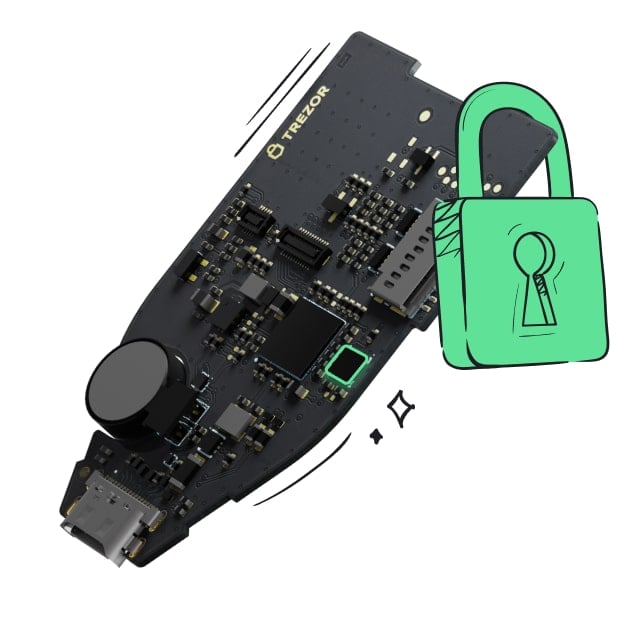 Protégé par Élément Sécurisé
La meilleure défense contre les menaces en ligne et hors ligne
 Vos jetons, votre contrôle
Contrôle absolu de chaque transaction avec confirmation sur l'appareil
 La sécurité commence par l'open source
Le design de portefeuille transparent rend votre Trezor meilleur et plus sûr
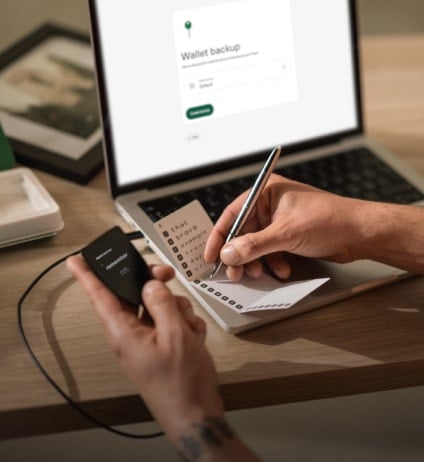 Sauvegarde de portefeuille claire et simple
Récupérez l’accès à vos actifs digitaux avec un nouveau standard de sauvegarde
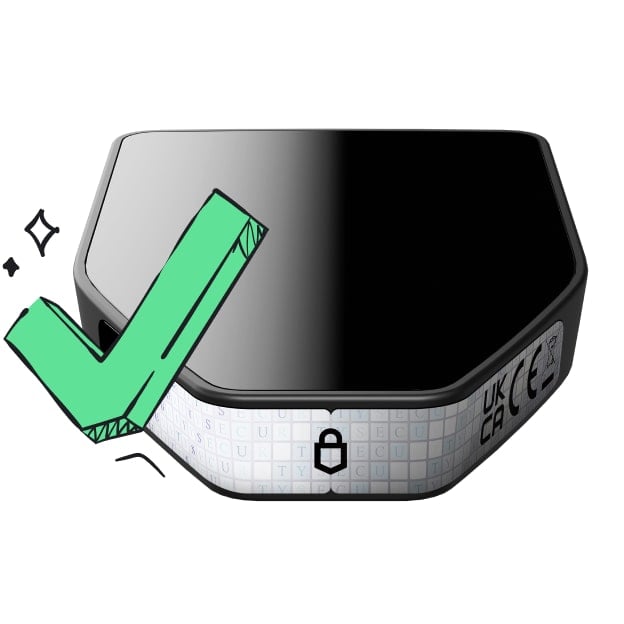 Confiance depuis le premier jour
Les sceaux de sécurité sur l’emballage et l’appareil protègent l’intégrité de votre Trezor
Qu’est-ce que Tezos (XTZ) ?
Tezos est une blockchain haute performance et une plateforme open source dédiée aux actifs et aux applications, avec un fort accent sur la sécurité du code, la gouvernance on-chain et la décentralisation. Tezos 2.0, la prochaine étape de l’évolution de Tezos, vise à améliorer la scalabilité (via des layer 2), la composabilité, et à mettre en place le support de langages de programmation grand public (comme JavaScript, TypeScript, Python, et bien d’autres).
Conçu dès l’origine avec la vérification formelle à l’esprit, le protocole Tezos permet aux développeurs d’éviter les bugs lors de la création de smart contracts, ce qui le rend particulièrement adapté aux applications nécessitant un haut niveau de sécurité et de fiabilité.
Le mécanisme de consensus LPoS (Liquid Proof-of-Stake) de Tezos permet à tout détenteur de participer, directement ou par délégation, au processus de consensus, et d’être récompensé pour la sécurisation du réseau. De manière assez unique, le système de gouvernance on-chain de Tezos permet également aux parties prenantes de proposer et de voter des mises à jour du protocole. Ce système pionnier permet au protocole de s’auto-amender et d’évoluer sans entraîner de scission (ou fork) de la blockchain, donnant du pouvoir à la communauté sans freiner l’innovation.
Proposé pour la première fois en 2014 et lancé en 2018, le mainnet Tezos affiche un historique éprouvé de fonctionnement ininterrompu depuis son lancement, et s’est forgé une solide réputation d’excellence technique ainsi qu’une communauté engagée.
Qui sont les fondateurs de Tezos ? Tezos a été conçu par Arthur et Kathleen Breitman dans un livre blanc publié en 2014 sous le pseudonyme L.M. Goodman, en clin d’œil à Satoshi Nakamoto, en référence à un journaliste ayant identifié à tort le créateur de Bitcoin.
Dans un document antérieur, les Breitman soutenaient que les principales limites de Bitcoin étaient l’absence d’un processus de gouvernance invitant les contributions de sa communauté d’utilisateurs, les problèmes de coûts et de centralisation liés à son système de proof-of-work, l’expressivité limitée de son langage de programmation qui ne permettait pas la création de smart contracts, et la sécurité