Portefeuille sûr et sécurisé Feathercoin
Utilisez la sécurité de votre portefeuille matériel Trezor pour gérer vos Feathercoin en toute sécurité.
- Sécurisé par votre portefeuille matériel
- Adopté par plus de 2 millions de clients
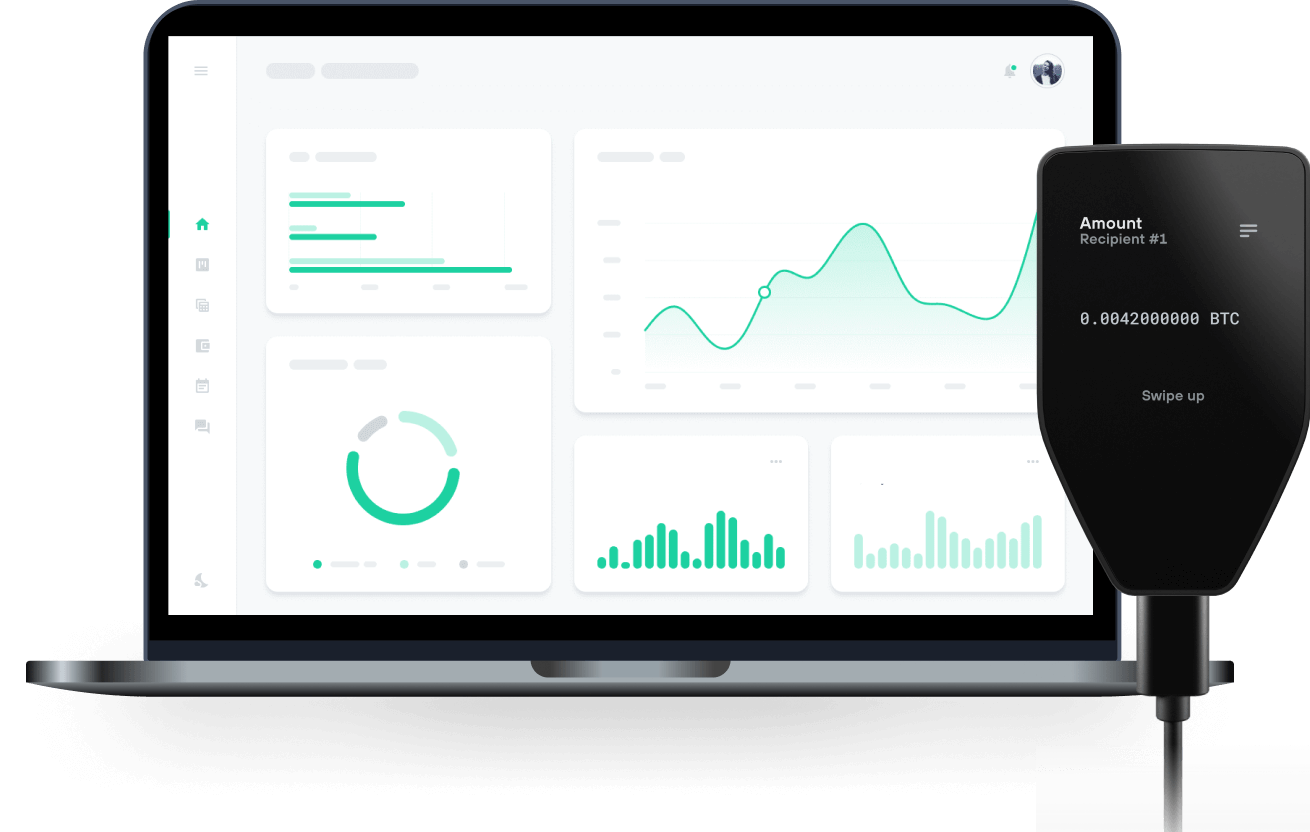
Envoyez et recevez vos Feathercoin avec les portefeuilles matériels Trezor

Envoyer et recevoir
Portefeuilles matériels Trezor qui supportent Feathercoin
Feathercoin Réseau supporté
- Feathercoin
Pourquoi un portefeuille matériel ?
Allez hors ligne avec Trezor
- Vous possédez 100% de vos cryptos
- Votre portefeuille est 100% sécurisé hors ligne
- Vos données sont 100 % anonymes
- Vos cryptos ne dépendent d’aucune entreprise
Échanges en ligne
- Si un échange échoue, vous perdez vos cryptos
- Les échanges sont des cibles pour les pirates
- Vos données personnelles peuvent être exposées
- Vous ne possédez pas réellement vos cryptos
Comment utiliser FTC sur Trezor
Connectez votre Trezor
Ouvrez une application de portefeuille tierce
Gérez vos actifs
Profitez pleinement de votre FTC
Trezor garde vos FTC en sécurité
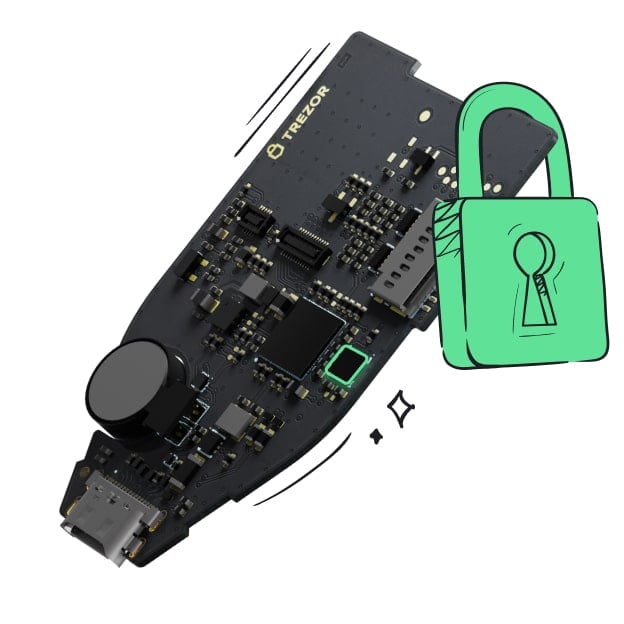 Protégé par Élément Sécurisé
La meilleure défense contre les menaces en ligne et hors ligne
 Vos jetons, votre contrôle
Contrôle absolu de chaque transaction avec confirmation sur l'appareil
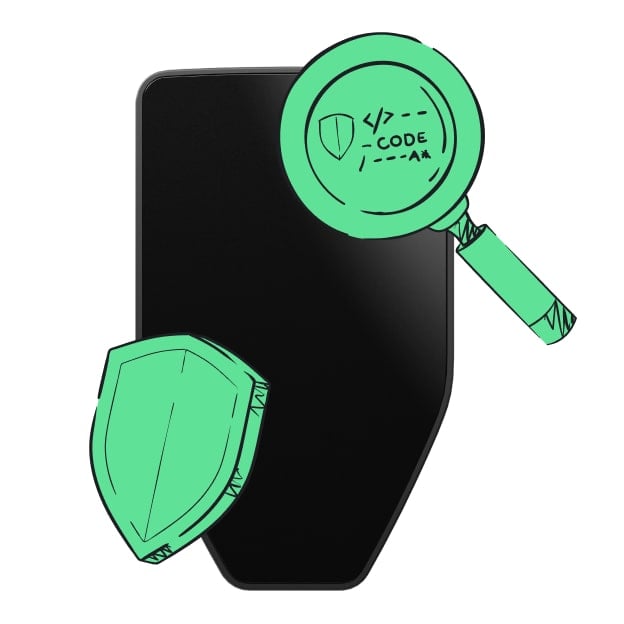 La sécurité commence par l'open source
Le design de portefeuille transparent rend votre Trezor meilleur et plus sûr
 Sauvegarde de portefeuille claire et simple
Récupérez l’accès à vos actifs digitaux avec un nouveau standard de sauvegarde
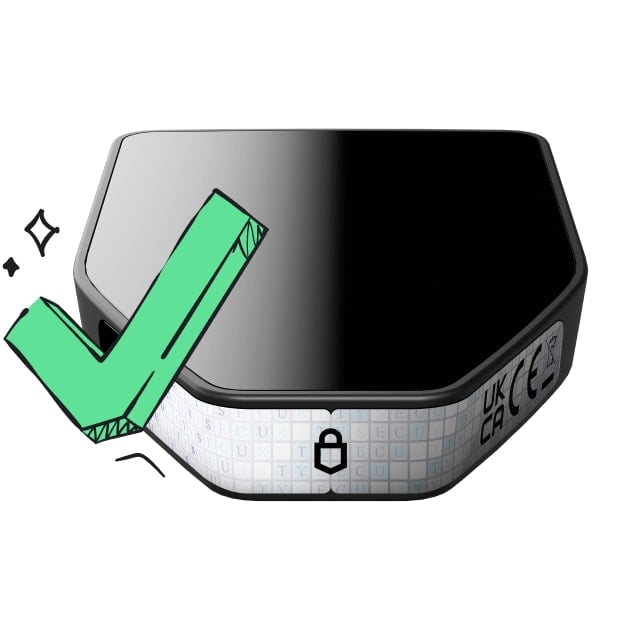 Confiance depuis le premier jour
Les sceaux de sécurité sur l’emballage et l’appareil protègent l’intégrité de votre Trezor
Feathercoin (FTC or ₣) is an open source cryptocurrency, published under the license of MIT / X11.1, based on the Litecoin protocol. On 16 April 2013 Feathercoin successfully forked from Litecoin by the creation of its genesis block. As a cryptocurrency, creation and transfer of coins is based on an open source cryptographic protocol (the blockchain) and is not managed by any central authority. The hashing algorithm chosen for Feathercoin was the Proof-of-Work NeoScrypt, which had premiered on Phoenixcoin. NeoScrypt is 25% more memory intense, which makes it less feasible to create ASICs for it.
The main programmer is Peter Bushnell, at the time running the information technology for the Brasenose College of Oxford University. He explained his motivation for developing the coin in an interview with Vitalik Buterin. One month after launching Feathercoin, Peter Bushnell left his job as head of IT at the Brasenose College of Oxford University and lived off his Litecoin savings. Feathercoin was launched on 16th April 2013 and as developed by Peter Bushnell. It was forked from Litecoin, with the aim of making Feathercoin what Litecoin was supposed to be: a faster, more secure, and stable version of Bitcoin.
The consensus mechanism is based on the Proof of Work (PoW) concept. The Feathercoin network runs on the NeoScrypt hashing algorithm, making it much easier and faster to mine. Feathercoin enjoyed rapid adoption by users soon after its launch, gaining immense popularity, and establishing itself as a worthy contender in a BTC/LTC dominated market.
Feathercoin can be mined using either processors (CPUs) or graphics cards (GPUs). Due to the hashing algorithm of FTC, it cannot be mined with an ASIC card. Mining software is available for download at their official site. Wallets for FTC can be found over at their official website, including both desktop and mobile wallets..
While the paper money you are used to carrying around is (or can be) stored in a physical wallet, cryptocurrencies, like all digital currencies, have to be stored in a software-based digital wallet. Although you will find links to feathercoin wallets throughout the web, the only safe way to know that you're downloading the latest and correct version is by scrolling to the bottom of the coin's official home page and selecting the button for your particular operating system. Feathercoin wallets are available for Android, Linux, macOS and Windows platforms.