Portefeuille sûr et sécurisé Ethereum Name Service
Prenez le contrôle de vos Ethereum Name Service actifs en toute confiance dans l’écosystème Trezor.
- Sécurisé par votre portefeuille matériel
- Utiliser avec des hot wallets compatibles
- Adopté par plus de 2 millions de clients
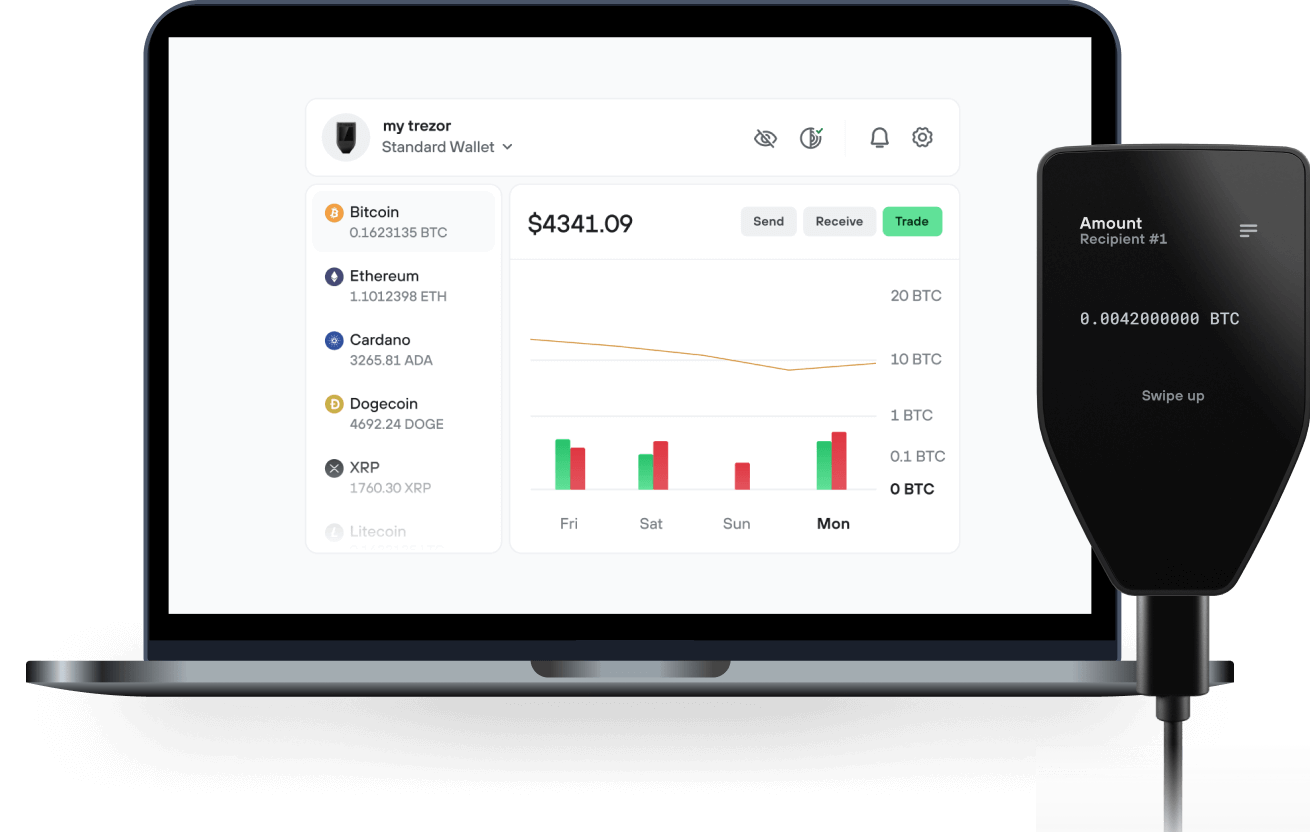
Envoyez et recevez vos Ethereum Name Service avec l'application Trezor Suite

Envoyer et recevoir
Acheter et swap
Portefeuilles matériels Trezor qui supportent Ethereum Name Service
Synchronisez votre Trezor avec des applications de portefeuille
Gérez vos Ethereum Name Service avec votre portefeuille matériel Trezor synchronisé avec plusieurs applications de portefeuilles.
Trezor Suite
MetaMask
Rabby
Ethereum Name Service Réseau supporté
Pourquoi un portefeuille matériel ?

Allez hors ligne avec Trezor
- Vous possédez 100% de vos cryptos
- Votre portefeuille est 100% sécurisé hors ligne
- Vos données sont 100 % anonymes
- Vos cryptos ne dépendent d’aucune entreprise
Échanges en ligne
- Si un échange échoue, vous perdez vos cryptos
- Les échanges sont des cibles pour les pirates
- Vos données personnelles peuvent être exposées
- Vous ne possédez pas réellement vos cryptos
Comment utiliser ENS sur Trezor
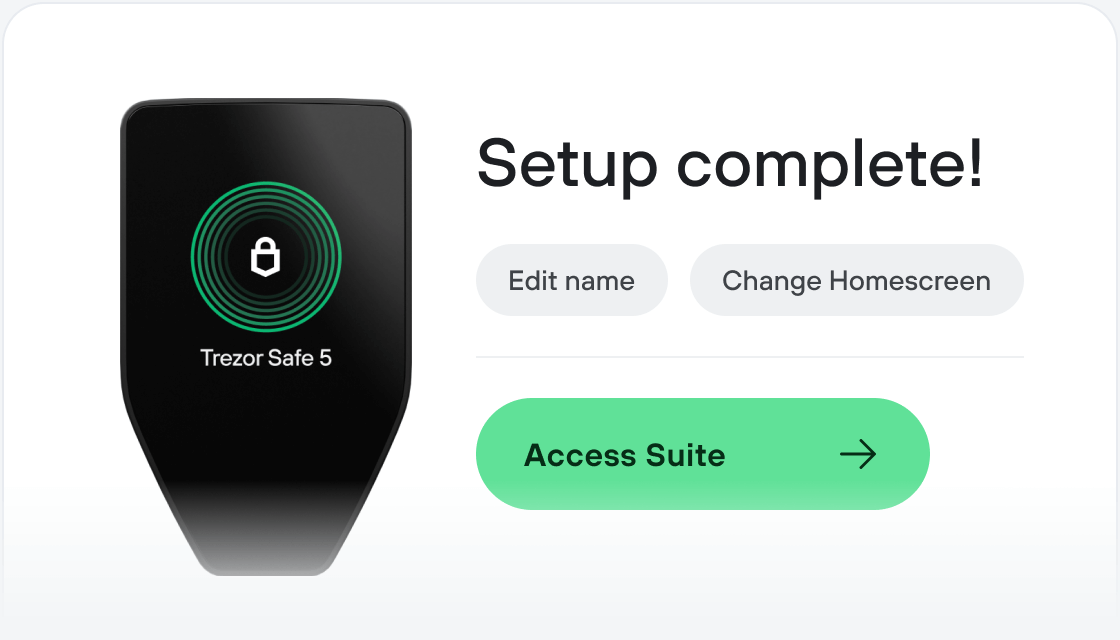
Connectez votre Trezor
Installez l'application Trezor Suite
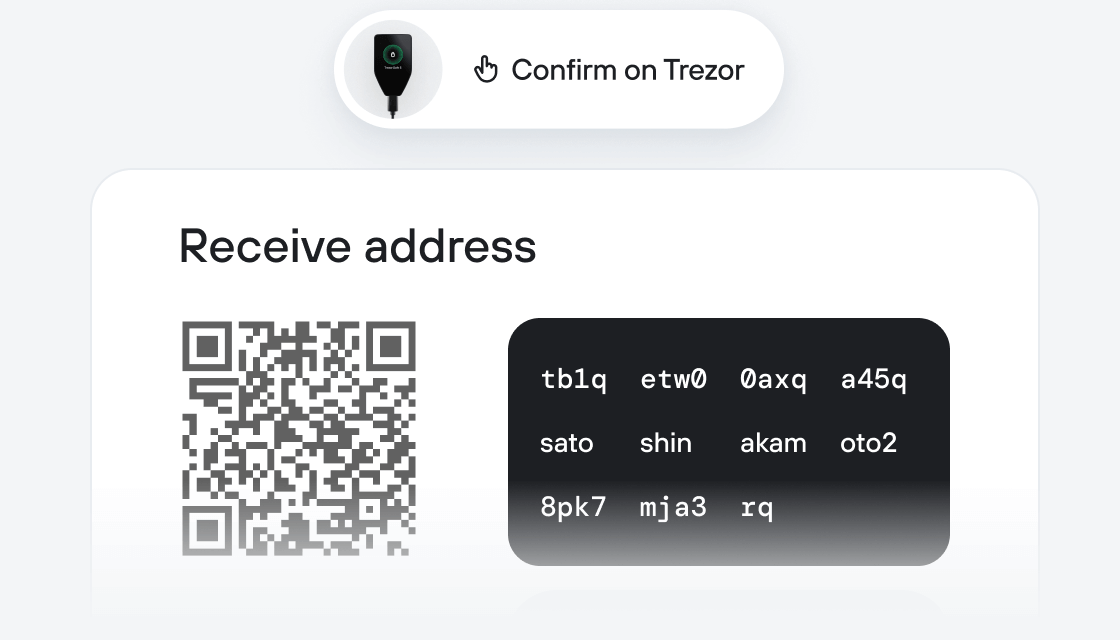
Transférez votre ENS
Profitez pleinement de votre ENS
Trezor garde vos ENS en sécurité
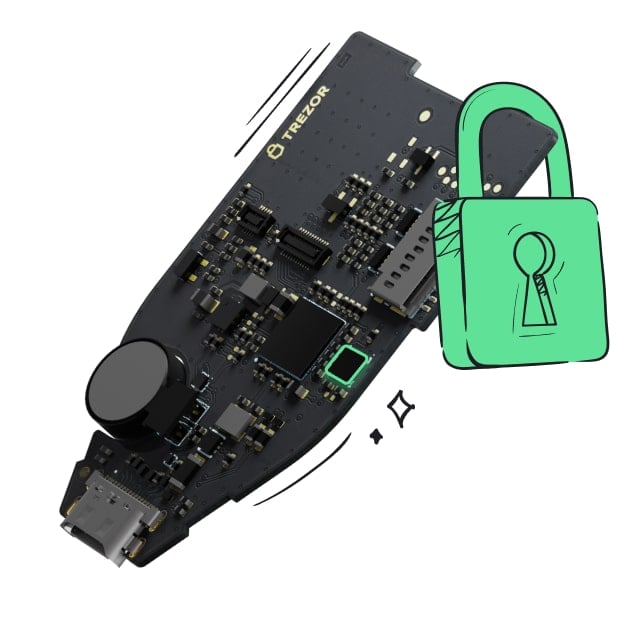 Protégé par Élément Sécurisé
La meilleure défense contre les menaces en ligne et hors ligne
 Vos jetons, votre contrôle
Contrôle absolu de chaque transaction avec confirmation sur l'appareil
 La sécurité commence par l'open source
Le design de portefeuille transparent rend votre Trezor meilleur et plus sûr
 Sauvegarde de portefeuille claire et simple
Récupérez l’accès à vos actifs digitaux avec un nouveau standard de sauvegarde
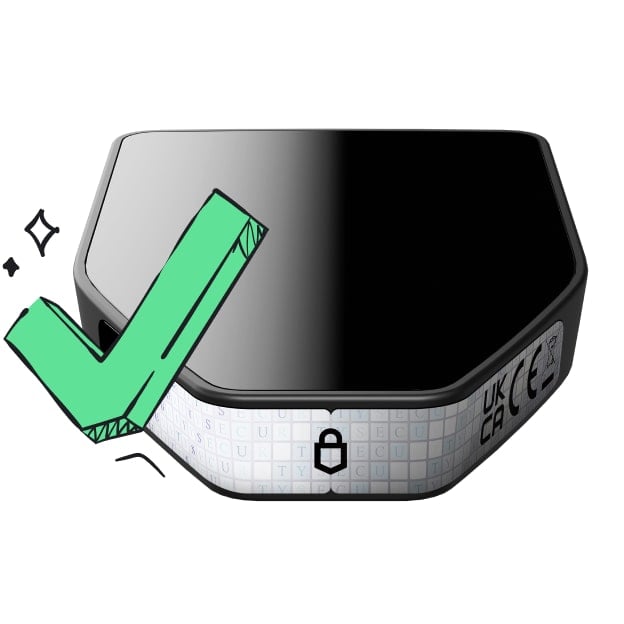 Confiance depuis le premier jour
Les sceaux de sécurité sur l’emballage et l’appareil protègent l’intégrité de votre Trezor
L’Ethereum Name Service (ENS) est un système de noms distribué, ouvert et extensible basé sur la blockchain Ethereum.
Le rôle d’ENS est d’associer des noms lisibles par l’humain comme ‘alice.eth’ à des identifiants lisibles par machine, tels que des adresses Ethereum, des adresses d’autres cryptomonnaies, des hachages de contenu et des métadonnées. ENS prend également en charge la « résolution inversée », permettant d’associer des métadonnées, comme des noms canoniques ou des descriptions d’interface, à des adresses Ethereum.
ENS partage des objectifs similaires avec le DNS (Domain Name Service) d’Internet, tout en possédant une architecture sensiblement différente grâce aux capacités et contraintes de la Blockchain Ethereum. Comme le DNS, ENS fonctionne avec un système hiérarchique de noms séparés par des points, appelés domaines, dont le propriétaire contrôle totalement les sous-domaines.
Les domaines de premier niveau, comme « .eth » et « .test », appartiennent à des smart contracts appelés registrars, qui fixent les règles d’allocation de leurs sous-domaines. Quiconque peut, en suivant les règles définies par ces registraires, obtenir un domaine à sa convenance. ENS prend aussi en charge l’importation de noms DNS existants sous ENS.
En raison de la structure hiérarchique d’ENS, tout propriétaire d’un domaine à n’importe quel niveau peut créer et configurer des sous-domaines – pour lui-même ou d’autres – à sa convenance. Par exemple, si Alice possède « alice.eth », elle peut créer « pay.alice.eth » et le configurer comme elle le souhaite.
ENS est déployé sur le réseau principal Ethereum et sur plusieurs réseaux de test. Si vous utilisez une bibliothèque comme ensjs en Javascript ou une application utilisateur, elle détectera automatiquement le réseau sur lequel vous interagissez et utilisera le déploiement ENS correspondant.