Billetera Peercoin segura y protegida
Toma el control de tus Peercoin activos con total confianza en el ecosistema de Trezor.
- Protegido por tu billetera física
- Usa con billeteras digitales compatibles
- Con la confianza de más de 2 millones de clientes
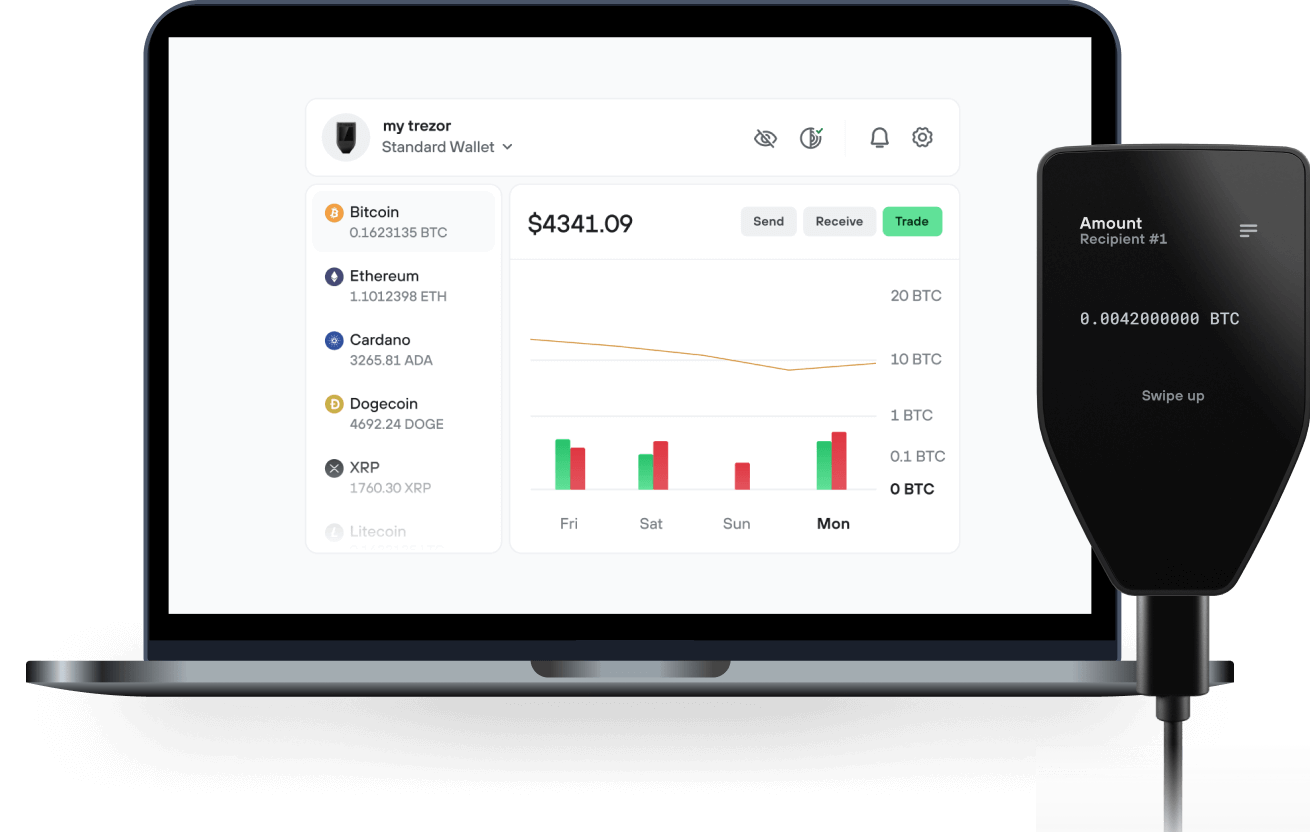
Envía y recibe tu Peercoin con la app Trezor Suite

Enviar y recibir
Intercambiar
Billeteras físicas Trezor compatibles con Peercoin
Sincroniza tu Trezor con apps de billeteras
Gestiona tus Peercoin con tu billetera física Trezor sincronizada con apps de billeteras.
Trezor Suite
MetaMask
Rabby
Redes Peercoin Compatibles
¿Por qué una billetera física?
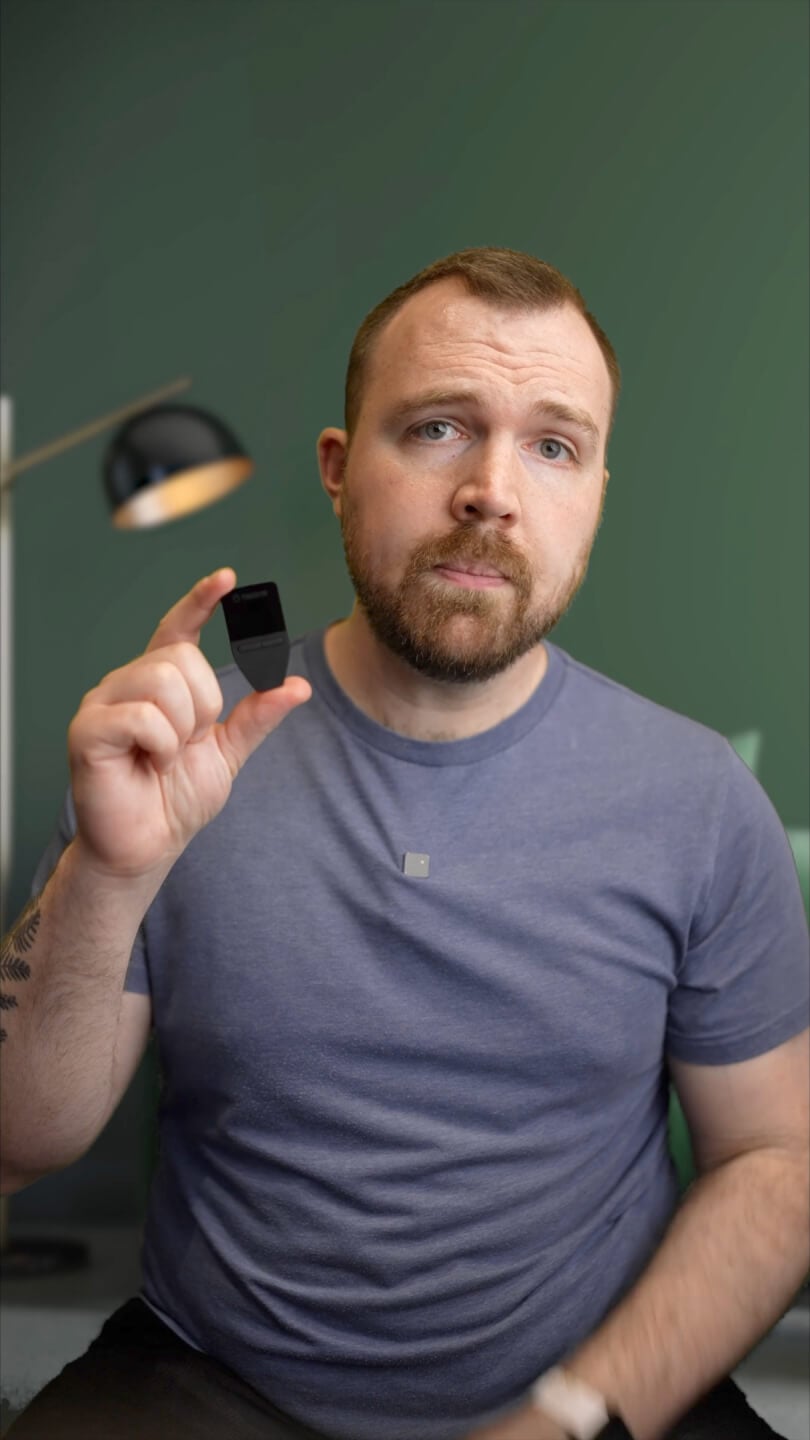
Desconéctate con Trezor
- Tus monedas son 100% tuyas
- Tu billetera está 100% segura offline
- Tus datos son 100% anónimos
- Tus monedas no están atadas a una compañía
Exchanges en línea
- Si un exchange falla, pierdes tus monedas
- Los exchanges son blanco de los hackers
- Tu información personal puede ser expuesta
- Tus monedas no son realmente tuyas
¿Cómo usar PPC en Trezor?
Conectar tu Trezor
Instala la app Trezor Suite
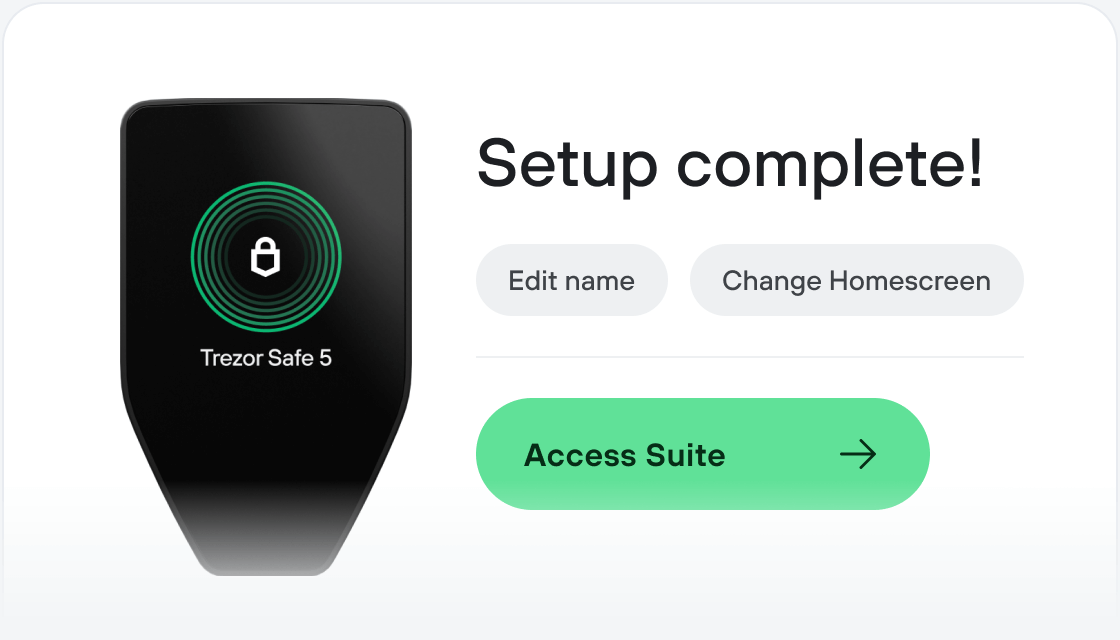
Transfiere tus PPC
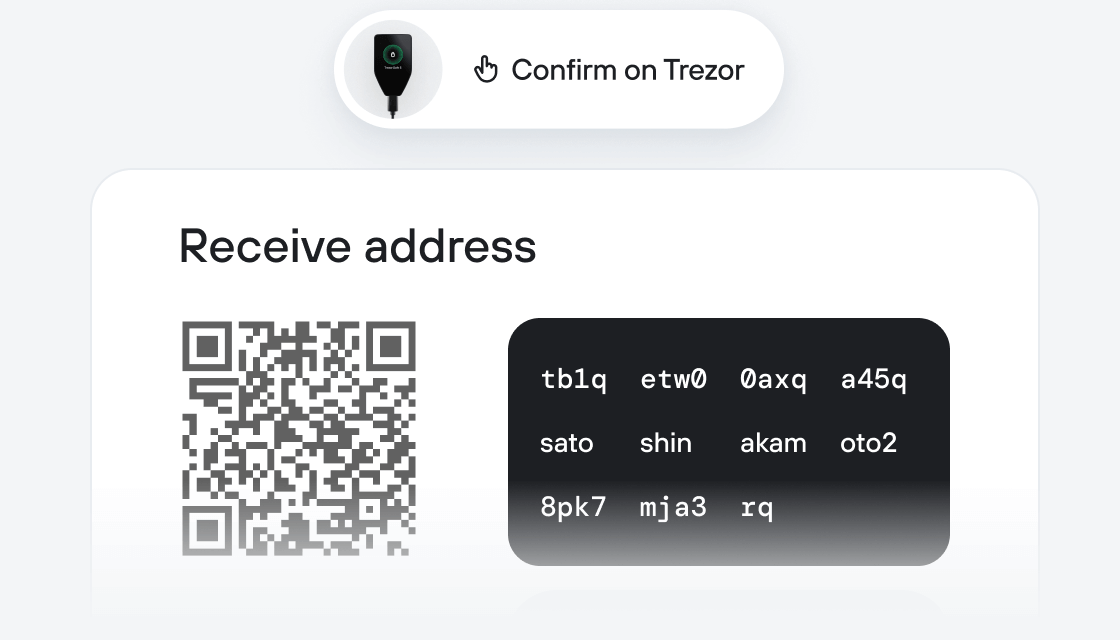
Aprovecha al máximo tus PPC
Trezor mantiene tus PPC seguros
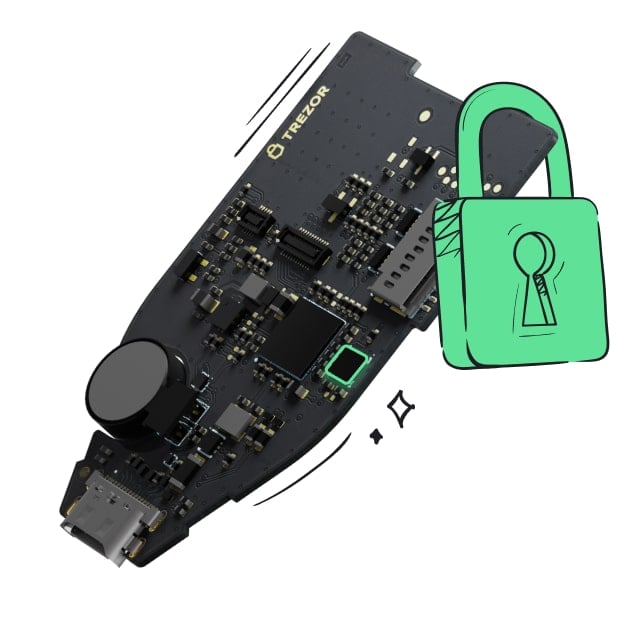 Protegido por Elemento Seguro
La mejor defensa contra amenazas tanto online como offline
 Tus tokens, bajo tu control
Control absoluto de cada transacción con confirmación directa en el dispositivo
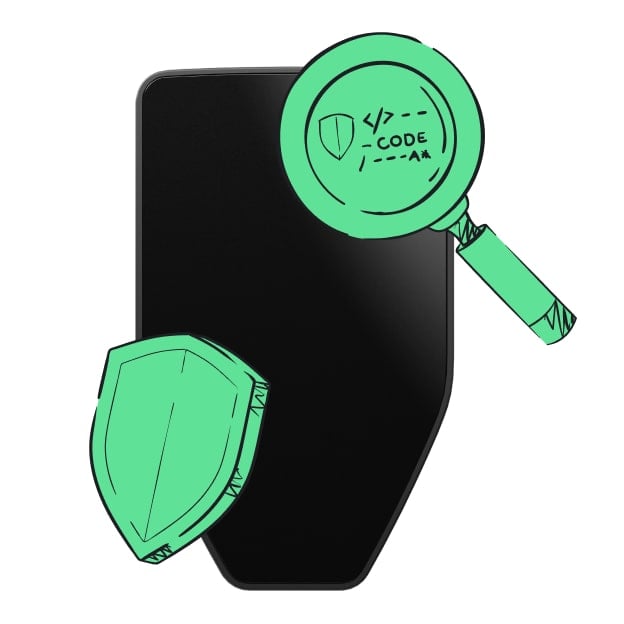 La seguridad empieza por código abierto
Un diseño de billetera de forma transparente hace que tu Trezor sea más seguro y confiable
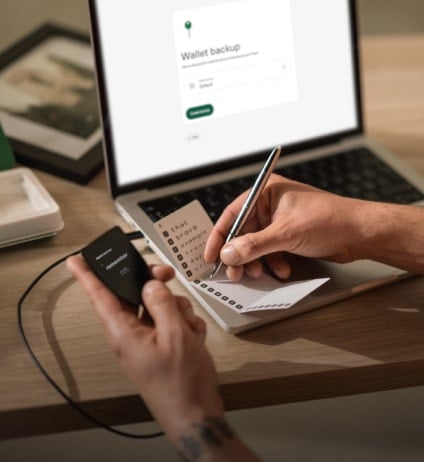 Copia de seguridad de billetera clara y sencilla
Recupera el acceso a tus activos digitales con nuevo estándar de copia de seguridad
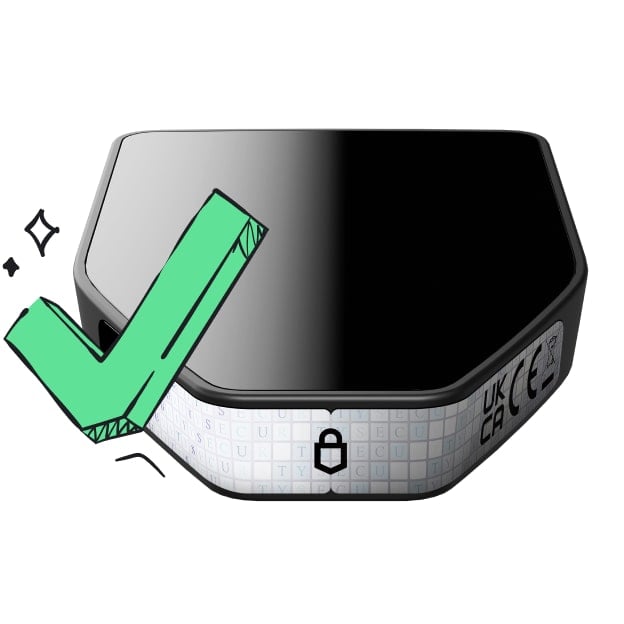 Confianza desde el primer día
El embalaje y los sellos de seguridad del dispositivo protegen la integridad de tu Trezor
The Peercoin network activated in 2012 and is one of the first cryptocurrencies to ever be released. It is responsible for inventing proof-of-stake consensus, which makes it the first efficient and sustainable public blockchain technology. Peercoin was inspired by bitcoin, and it shares much of the source code and technical implementation of bitcoin. The Peercoin source code is distributed under the MIT/X11 software license. Unlike bitcoin, Namecoin, and Litecoin, Peercoin does not have a hard limit on the number of possible coins, but is designed to eventually attain an annual inflation rate of 1%. There is a deflationary aspect to Peercoin as the transaction fee of 0.01 PPC/kb paid to the network is destroyed. This feature, along with increased energy efficiency, aim to allow for greater long-term scalability.
With the same cryptographic hash function as Bitcoin (SHA-256), Peercoin is 100 times more energy efficient. Transactions in the Peercoin network are faster and cheaper. If there were not fierce competition on the cryptocurrency market, Peercoin would probably have long since become one of the most important cryptocurrencies. But in 2014 and 2015, however, there were many other interesting innovations in the cryptocurrency market that outperformed peercoin in a number of important properties. In contrast to DASH, Peercoin could not offer anonymity and the transactions in Dogecoin were even faster and cheaper than those of Peercoin. PoS technology ceased to be an advantage of peercoin and PoS continued to spread to other cryptocurrencies. The interest of the users drew it to the side of the minings on the CPUs and GPUs, then to the side of the Smart Contracts and PPC began to get a little forgotten.
The Peercoin Team believes that adapting blockchains for wide scale use only through on-chain transactions will negatively affect the decentralization level and security of the network over time, therefore we choose to develop the Peercoin blockchain as a base layer settlement network with a sole focus on securing all forms of value recorded into the chain. This can be accomplished through Peercoin's philosophy of preserving and maximizing decentralization (which increases security) by developing the majority of features and technologies on top of the blockchain, rather than directly into the blockchain protocol itself.
Thus the Peercoin Team focuses on developing second layer protocols and sub-networks that can interact with the base layer blockchain to adapt it for wide scale use and improve functionality such as tokens, smart contracts and high speed low cost transaction processing. In this way, Peercoin will act as a secure and censorship resistant base layer for the future blockchain connected world.