Billetera Namecoin segura y protegida
Usa la seguridad de tu billetera física Trezor para gestionar de forma segura tu Namecoin.
- Protegido por tu billetera física
- Con la confianza de más de 2 millones de clientes
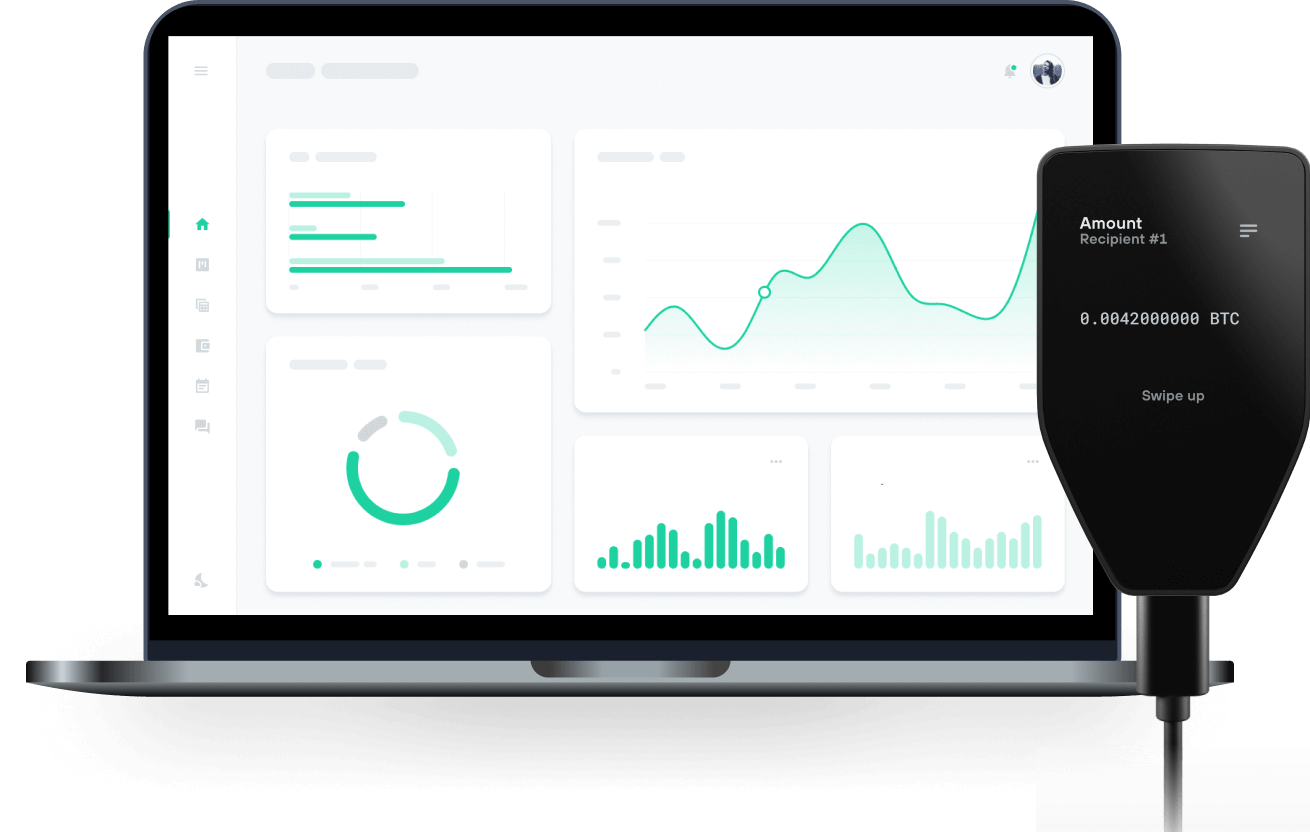
Envía y recibe tu Namecoin con las billeteras físicas de Trzor

Enviar y recibir
Billeteras físicas Trezor compatibles con Namecoin
Red Namecoin Compatible
¿Por qué una billetera física?

Desconéctate con Trezor
- Tus monedas son 100% tuyas
- Tu billetera está 100% segura offline
- Tus datos son 100% anónimos
- Tus monedas no están atadas a una compañía
Exchanges en línea
- Si un exchange falla, pierdes tus monedas
- Los exchanges son blanco de los hackers
- Tu información personal puede ser expuesta
- Tus monedas no son realmente tuyas
¿Cómo usar NMC en Trezor?
Conectar tu Trezor
Abre una app de billetera de terceros
Gestiona tus activos
Aprovecha al máximo tus NMC
Trezor mantiene tus NMC seguros
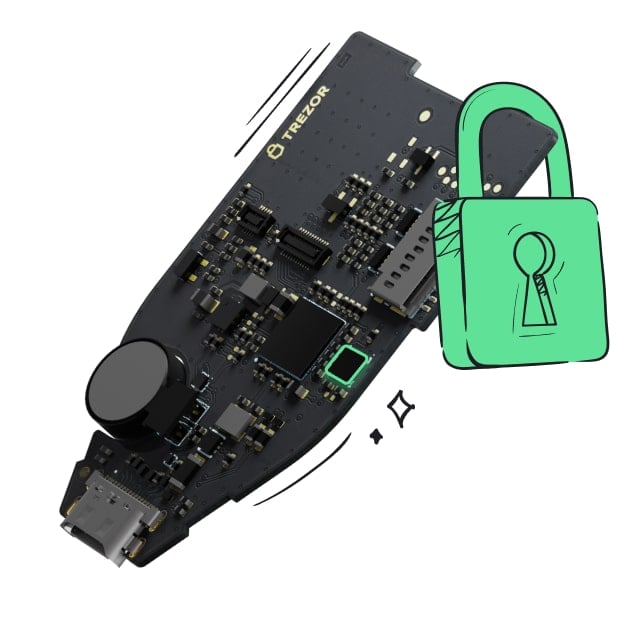 Protegido por Elemento Seguro
La mejor defensa contra amenazas tanto online como offline
 Tus tokens, bajo tu control
Control absoluto de cada transacción con confirmación directa en el dispositivo
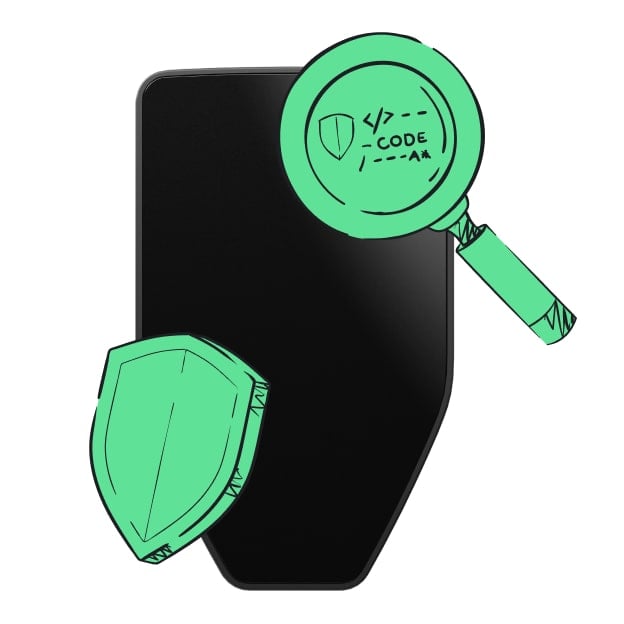 La seguridad empieza por código abierto
Un diseño de billetera de forma transparente hace que tu Trezor sea más seguro y confiable
 Copia de seguridad de billetera clara y sencilla
Recupera el acceso a tus activos digitales con nuevo estándar de copia de seguridad
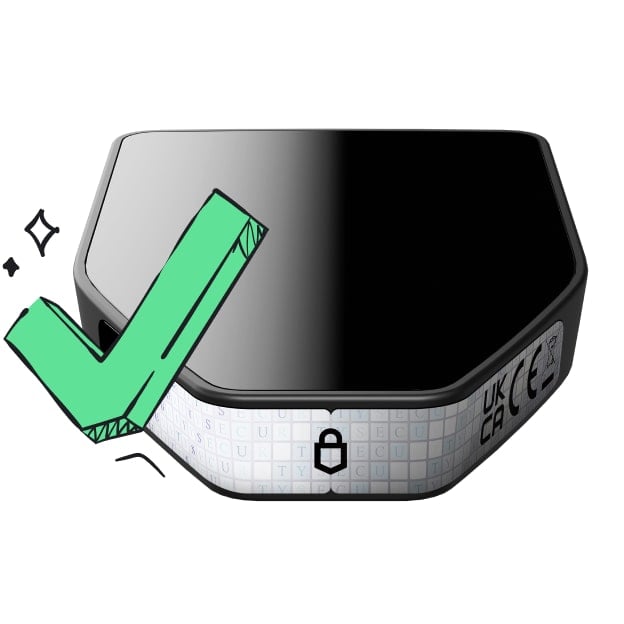 Confianza desde el primer día
El embalaje y los sellos de seguridad del dispositivo protegen la integridad de tu Trezor
Namecoin is a domain name registry service and was the first coin to fork Bitcoin. Similar to registering a .com or .io domain name, you register a .bit domain on the network. This domain is censorship-resistant and impervious to activity tracking. Governments and large corporations control traditional domain name services (DNS) servers. This control is how the Chinese government, for instance, can block websites that go against their beliefs. To prevent this level of censorship, Namecoin uses blockchain technology to distribute its DNS amongst the users on the network.
A pseudo-anonymous founder by the name of “Vince” created Namecoin in 2011. Since then, Vince has disappeared, but a core development team has kept the project alive. The project has several developers listed on the official website and benefits from the contributions of numerous anonymous developers as well. Namecoin has been fully functional for a few years, now, and the development team posts updates several times a month.
Namecoin was the first cryptocurrency to use Auxiliary Proof of Work (AuxPoW) for its consensus. By using AuxPow, Namecoin and Bitcoin can be mined simultaneously. In this consensus, the child blockchain depends on the proof-of-work of parent blockchain, which means If a new block is created on Bitcoin blockchain, it will also be added to the Namecoin blockchain. NameID is another technology brought by Namecoin. It serves as an open service for securely registering human-readable names in a decentralized way. NameID is a combination between Namecoin and OpenId, where users can easily convert their Namecoin Identities into OpenIDs. This makes NameID a solution to Zooko's triangle, which states that there are three desirable properties (Human-meaningful, Decentralized, and Secure) for name participants in a network protocol and any participant can only inherit two properties at a given time.
Namecoin is among some earliest cryptocurrencies. During its existence in the market, it has seen a high volatility on some occasions, which can be attributed to many reasons. Namecoin has been around in the cryptocurrency market much longer than most cryptocurrencies today; however, despite this, it has not gotten much attention until recently. In 2014, it was among the top ten cryptocurrencies by market capitalisation, which is now changed due to the introduction of hundreds of new cryptocurrencies. Namecoin was abandoned by its creator which can be seen as a red flag by many. The project is currently being developed with the support from its community. The current team has been actively taking the project forward and also provides regular updates on social media channels.
Comunidades
Respondemos tus preguntas
Sí, Namecoin se considera el primer altcoin, creado en abril de 2011. Se desarrolló como un sistema descentralizado de nombres de dominio (DNS) para permitir a los usuarios registrar dominios .bit, los cuales son resistentes a la censura. Namecoin se construyó sobre el protocolo de Bitcoin, por lo que comparte muchos de los principios y tecnología fundamentales, pero fue diseñado para servir a un propósito diferente al de Bitcoin, convirtiéndolo así en la primera criptomoneda alternativa que surgió.
El suministro de Namecoin está limitado a 21 millones.
Como con todas las criptomonedas, debes practicar la autocustodia y tomar el control de todos tus activos digitales, incluido Namecoin. Una vez que hayas comprado Namecoin a través de un exchange de criptomonedas confiable, protege tus fondos transfiriéndolos a tu billetera física Trezor.
Sí, puedes minar Namecoin si prefieres no comprarlo en un exchange de criptomonedas. Recomendamos consultar la documentación de Namecoin sobre minería si deseas hacerlo.
Una billetera Namecoin es una herramienta digital para almacenar, enviar y recibir Namecoin (NMC), una criptomoneda que se utiliza como sistema descentralizado de nombres de dominio (DNS). Básicamente, protege tus claves privadas, necesarias para administrar tus fondos Namecoin.
Si tienes una billetera física Trezor, como la Trezor Safe 3 o Trezor Safe 5, ¡estás de suerte! Estos dispositivos te permiten gestionar Namecoin de forma segura. Guardan tus claves privadas offline, protegiéndote ante amenazas online y hackeos. Para interactuar con tu Namecoin puedes usar la app Trezor Suite, que facilita el acceso y gestión manteniendo todo seguro. Con Trezor disfrutas de una interfaz simple y la confianza de que tus fondos están protegidos.
Nota: desde febrero de 2025, Namecoin dejará de estar soportado en Trezor Suite. Transfiere tus fondos antes de esa fecha.
La oferta total de Namecoin está limitada a 21 millones de monedas, igual que Bitcoin. Hasta la fecha, se han minado alrededor de 14 millones de Namecoin, y el resto se generará con el tiempo a medida que se añadan nuevos bloques a la cadena. El proceso de minería se vuelve más lento con el tiempo, por lo que, aunque hay un límite, el número de Namecoin en circulación crecerá gradualmente hasta alcanzar el máximo.