Billetera Feathercoin segura y protegida
Usa la seguridad de tu billetera física Trezor para gestionar de forma segura tu Feathercoin.
- Protegido por tu billetera física
- Con la confianza de más de 2 millones de clientes
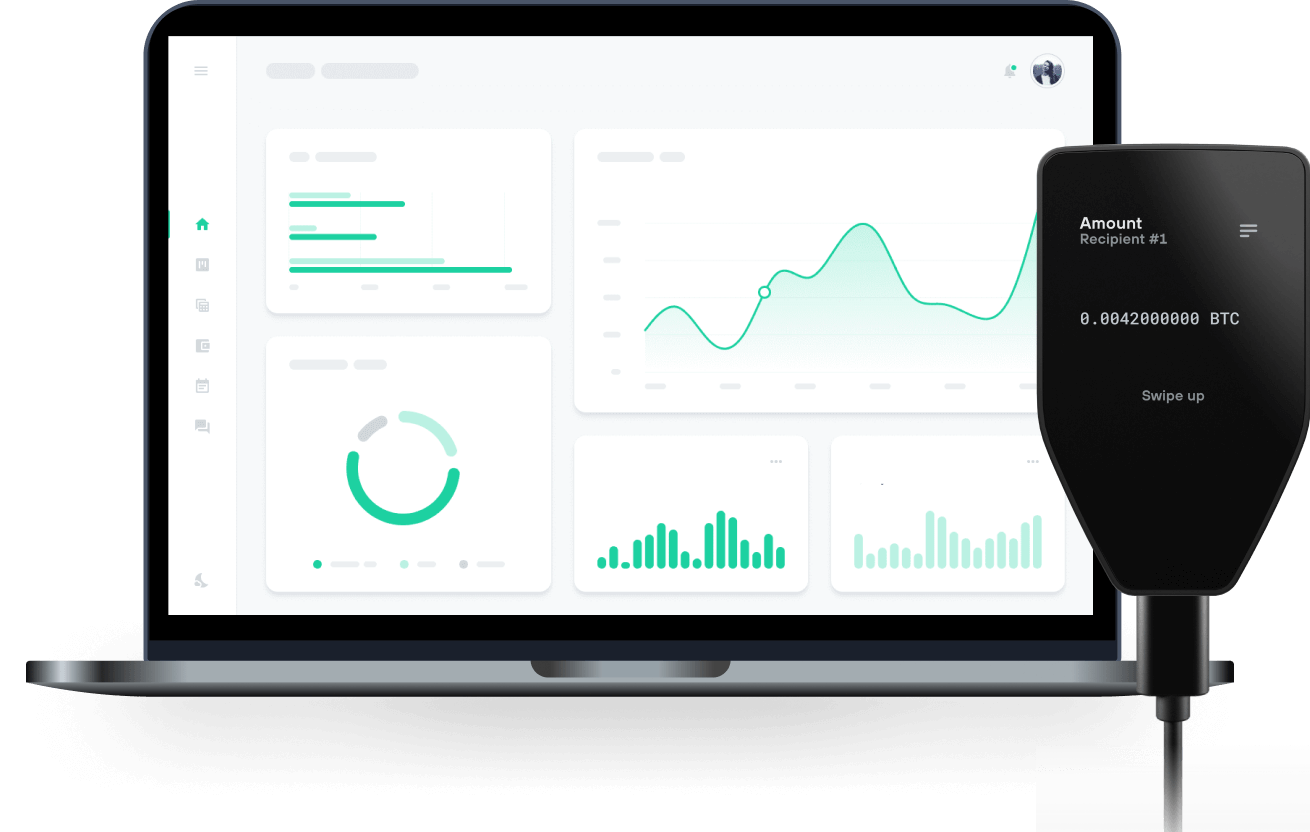
Envía y recibe tu Feathercoin con las billeteras físicas de Trzor

Enviar y recibir
Billeteras físicas Trezor compatibles con Feathercoin
Red Feathercoin Compatible
- Feathercoin
¿Por qué una billetera física?
Desconéctate con Trezor
- Tus monedas son 100% tuyas
- Tu billetera está 100% segura offline
- Tus datos son 100% anónimos
- Tus monedas no están atadas a una compañía
Exchanges en línea
- Si un exchange falla, pierdes tus monedas
- Los exchanges son blanco de los hackers
- Tu información personal puede ser expuesta
- Tus monedas no son realmente tuyas
¿Cómo usar FTC en Trezor?
Conecta tu Trezor
Abre una app de billetera de terceros
Gestiona tus activos
Aprovecha al máximo tus FTC
Trezor mantiene tus FTC seguros
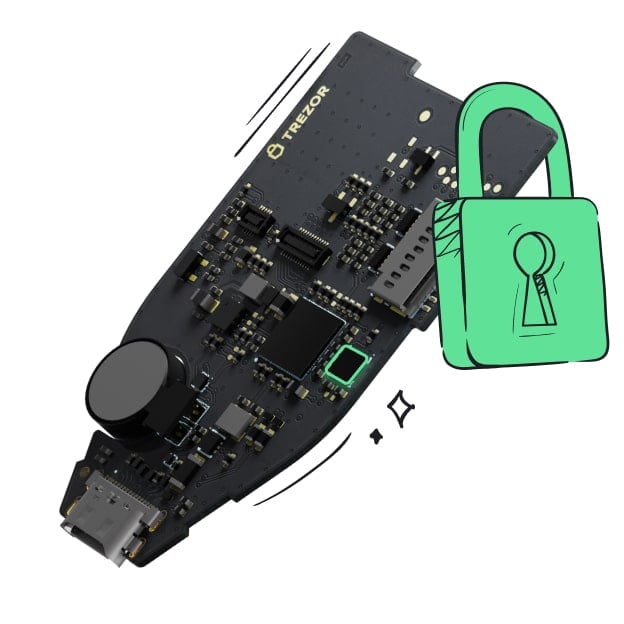 Protegido por Elemento Seguro
La mejor defensa contra amenazas tanto online como offline
 Tus tokens, bajo tu control
Control absoluto de cada transacción con confirmación directa en el dispositivo
 La seguridad empieza por código abierto
Un diseño de billetera de forma transparente hace que tu Trezor sea más seguro y confiable
 Copia de seguridad de billetera clara y sencilla
Recupera el acceso a tus activos digitales con nuevo estándar de copia de seguridad
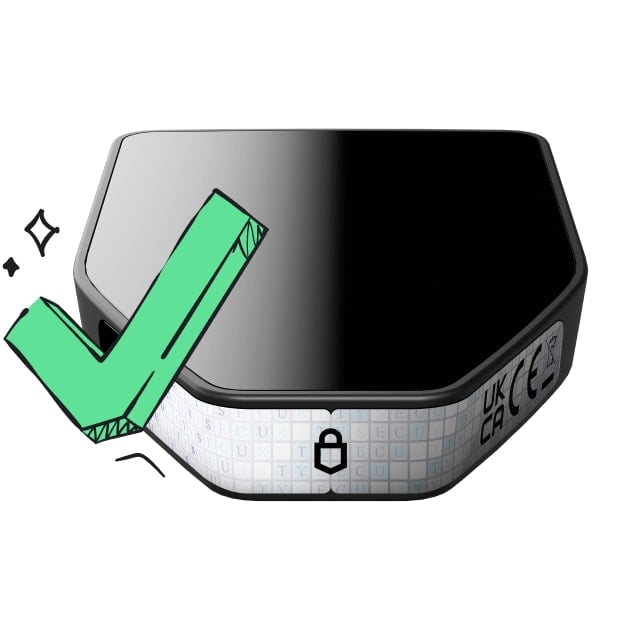 Confianza desde el primer día
El embalaje y los sellos de seguridad del dispositivo protegen la integridad de tu Trezor
Feathercoin (FTC or ₣) is an open source cryptocurrency, published under the license of MIT / X11.1, based on the Litecoin protocol. On 16 April 2013 Feathercoin successfully forked from Litecoin by the creation of its genesis block. As a cryptocurrency, creation and transfer of coins is based on an open source cryptographic protocol (the blockchain) and is not managed by any central authority. The hashing algorithm chosen for Feathercoin was the Proof-of-Work NeoScrypt, which had premiered on Phoenixcoin. NeoScrypt is 25% more memory intense, which makes it less feasible to create ASICs for it.
The main programmer is Peter Bushnell, at the time running the information technology for the Brasenose College of Oxford University. He explained his motivation for developing the coin in an interview with Vitalik Buterin. One month after launching Feathercoin, Peter Bushnell left his job as head of IT at the Brasenose College of Oxford University and lived off his Litecoin savings. Feathercoin was launched on 16th April 2013 and as developed by Peter Bushnell. It was forked from Litecoin, with the aim of making Feathercoin what Litecoin was supposed to be: a faster, more secure, and stable version of Bitcoin.
The consensus mechanism is based on the Proof of Work (PoW) concept. The Feathercoin network runs on the NeoScrypt hashing algorithm, making it much easier and faster to mine. Feathercoin enjoyed rapid adoption by users soon after its launch, gaining immense popularity, and establishing itself as a worthy contender in a BTC/LTC dominated market.
Feathercoin can be mined using either processors (CPUs) or graphics cards (GPUs). Due to the hashing algorithm of FTC, it cannot be mined with an ASIC card. Mining software is available for download at their official site. Wallets for FTC can be found over at their official website, including both desktop and mobile wallets..
While the paper money you are used to carrying around is (or can be) stored in a physical wallet, cryptocurrencies, like all digital currencies, have to be stored in a software-based digital wallet. Although you will find links to feathercoin wallets throughout the web, the only safe way to know that you're downloading the latest and correct version is by scrolling to the bottom of the coin's official home page and selecting the button for your particular operating system. Feathercoin wallets are available for Android, Linux, macOS and Windows platforms.